Alcatraz: Paradise, Prison, and a Missing Key
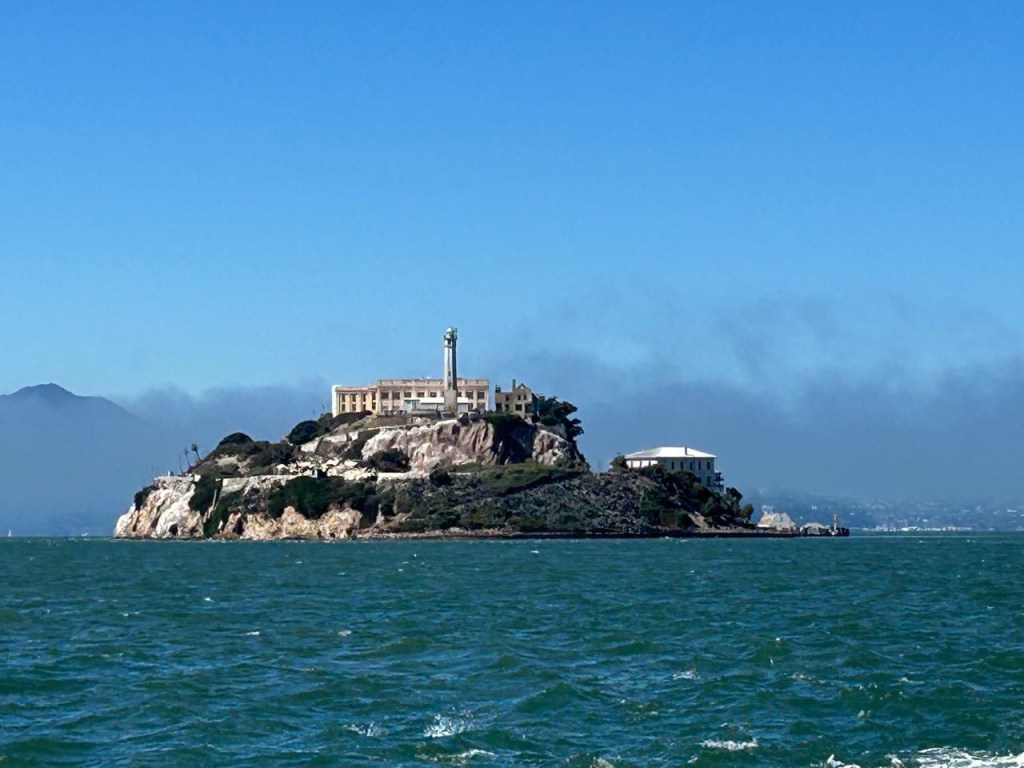
Blue waters, beautiful views, and a picture-perfect island.
Our ferry ride to Alcatraz could hardly have been more pleasant.
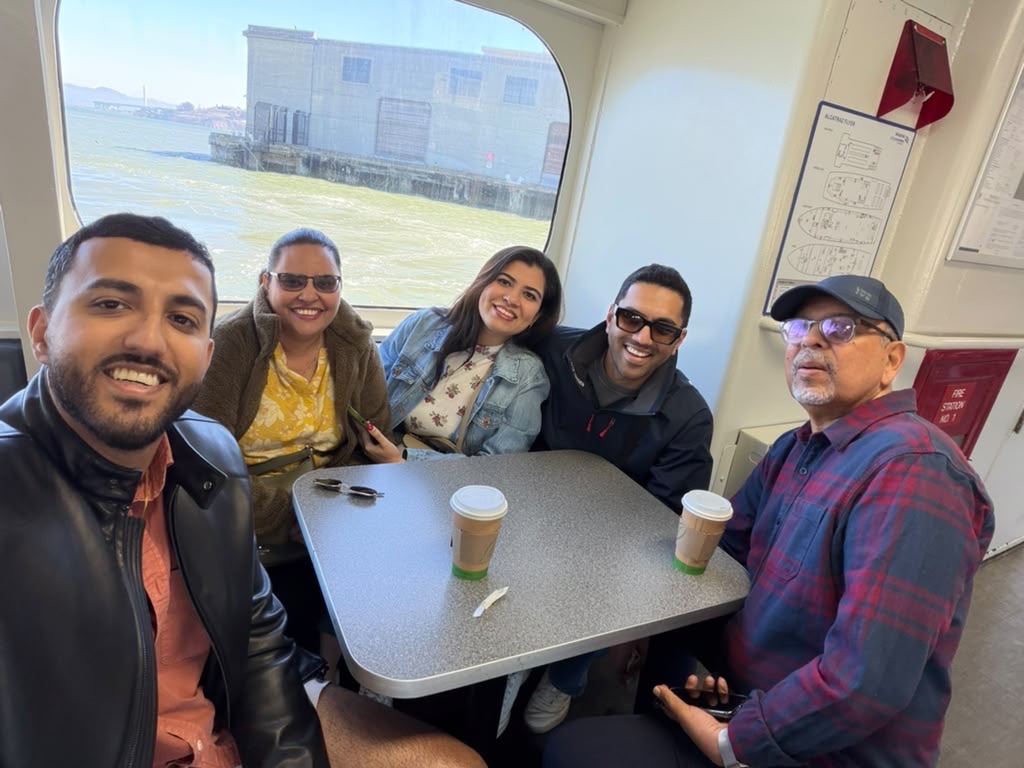
Yet we were heading towards one of America’s most feared prisons.
Some destinations come with an unsettling twist!
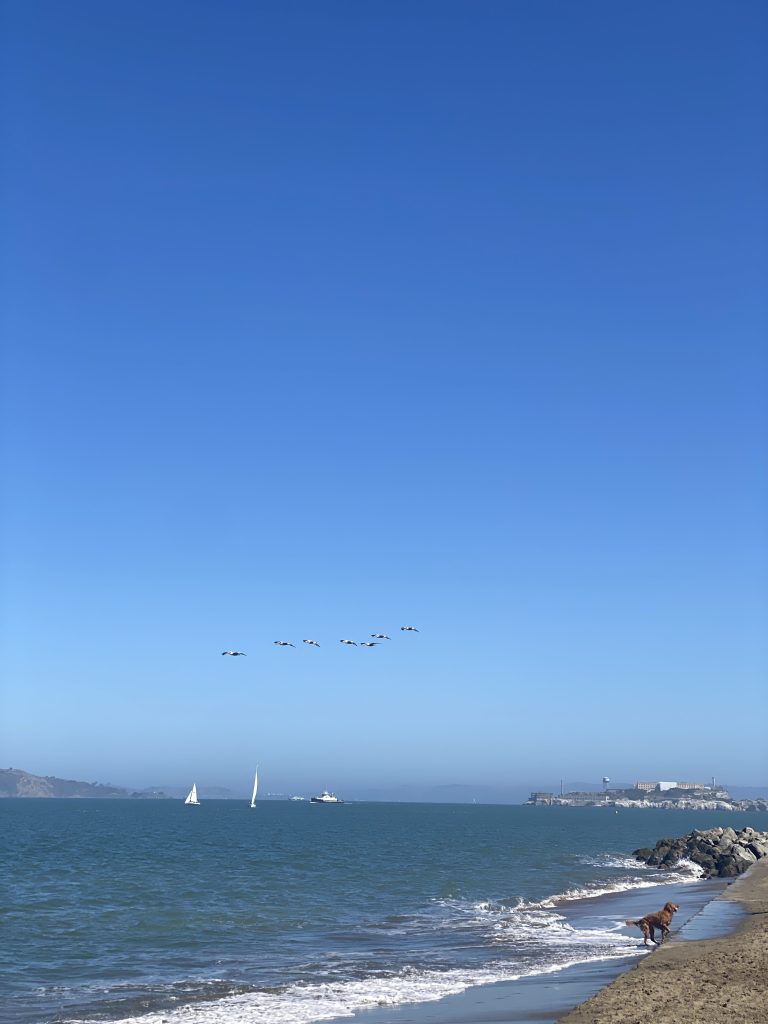
We had spotted the island from San Francisco’s marina, with the Golden Gate Bridge nearby.
Now, an audio guide led us through grim corridors and rows of tiny cells.

Films like Papillon and Escape from Alcatraz had introduced me to this place.
The real thing was sobering.
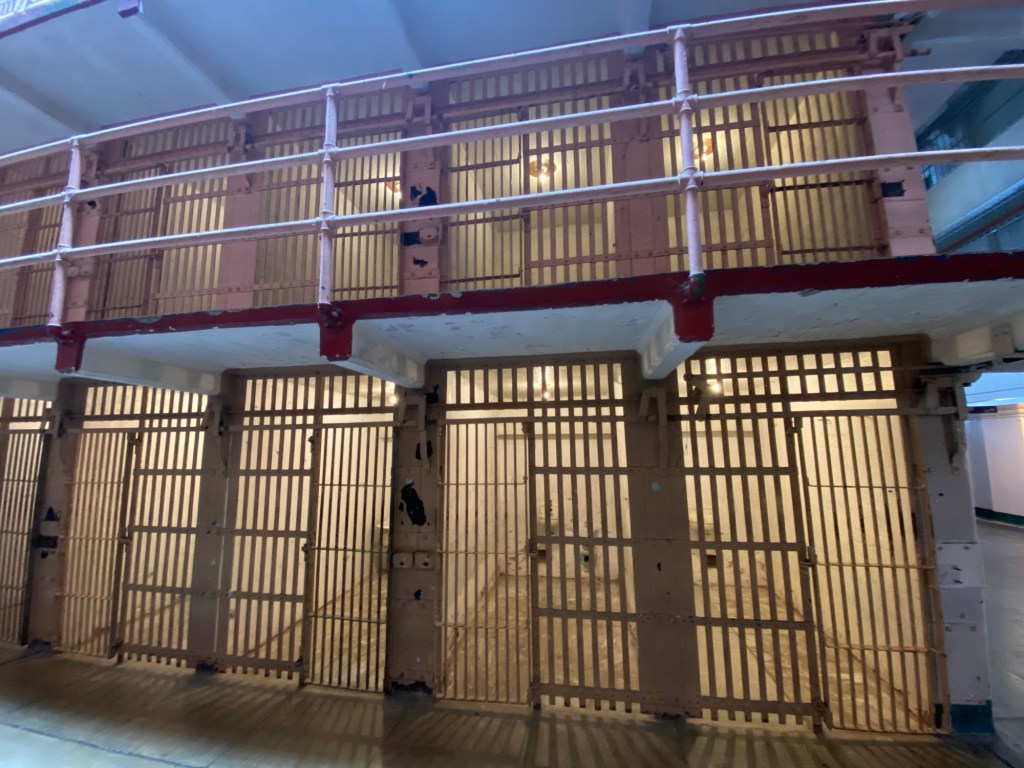
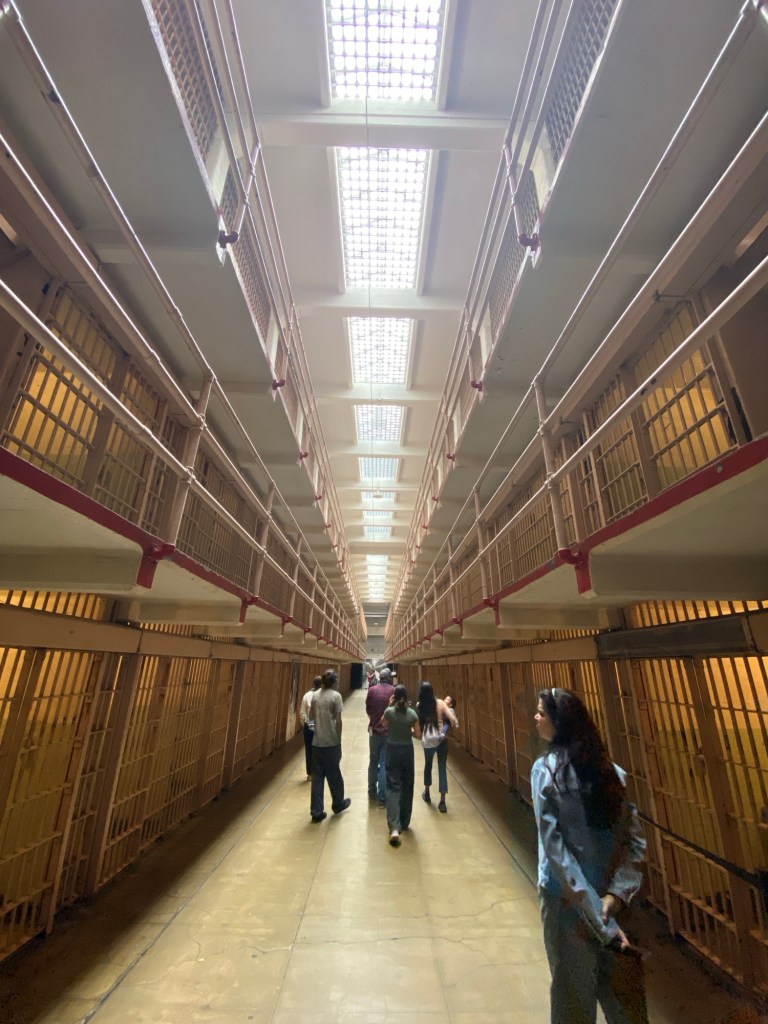
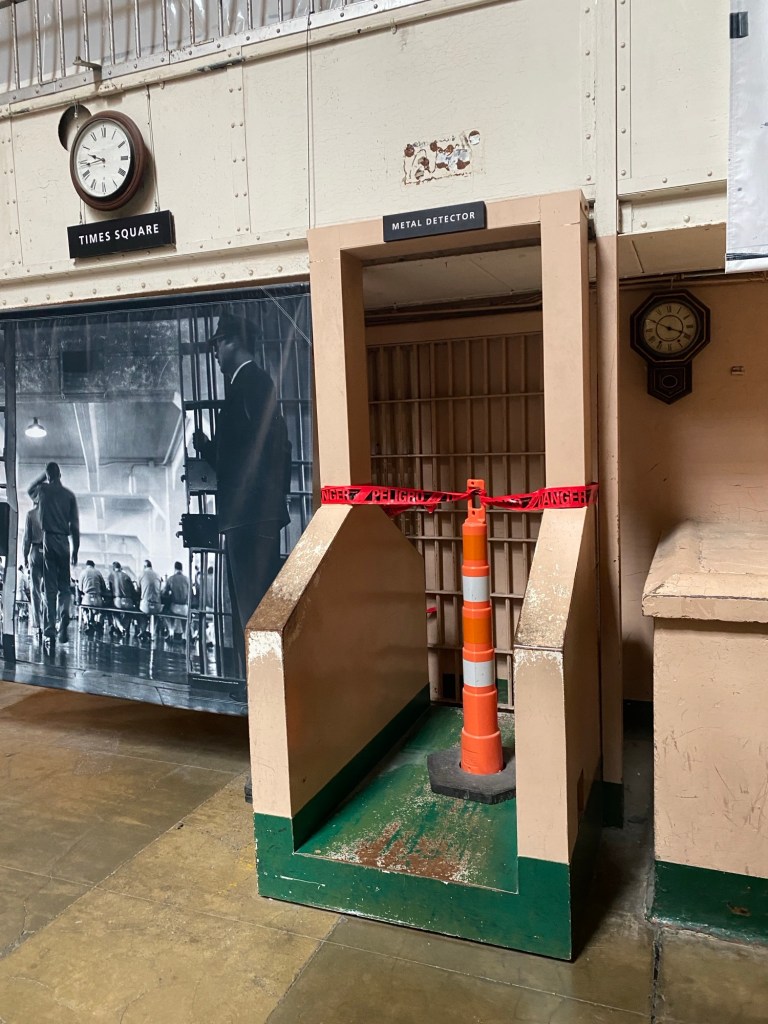
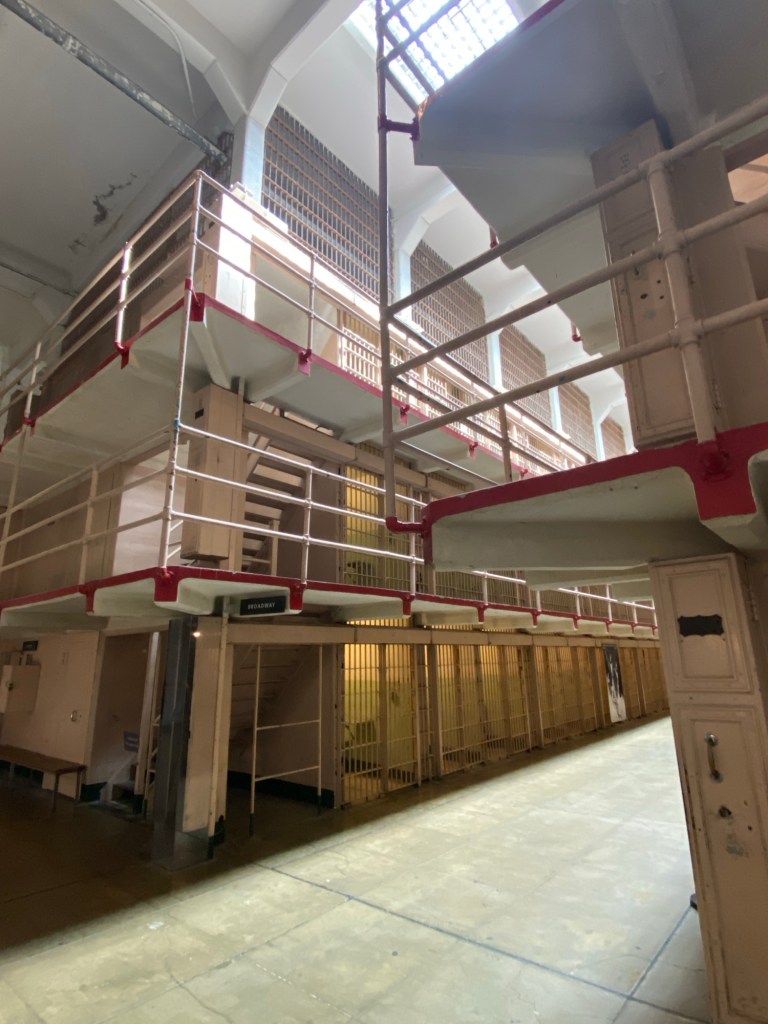
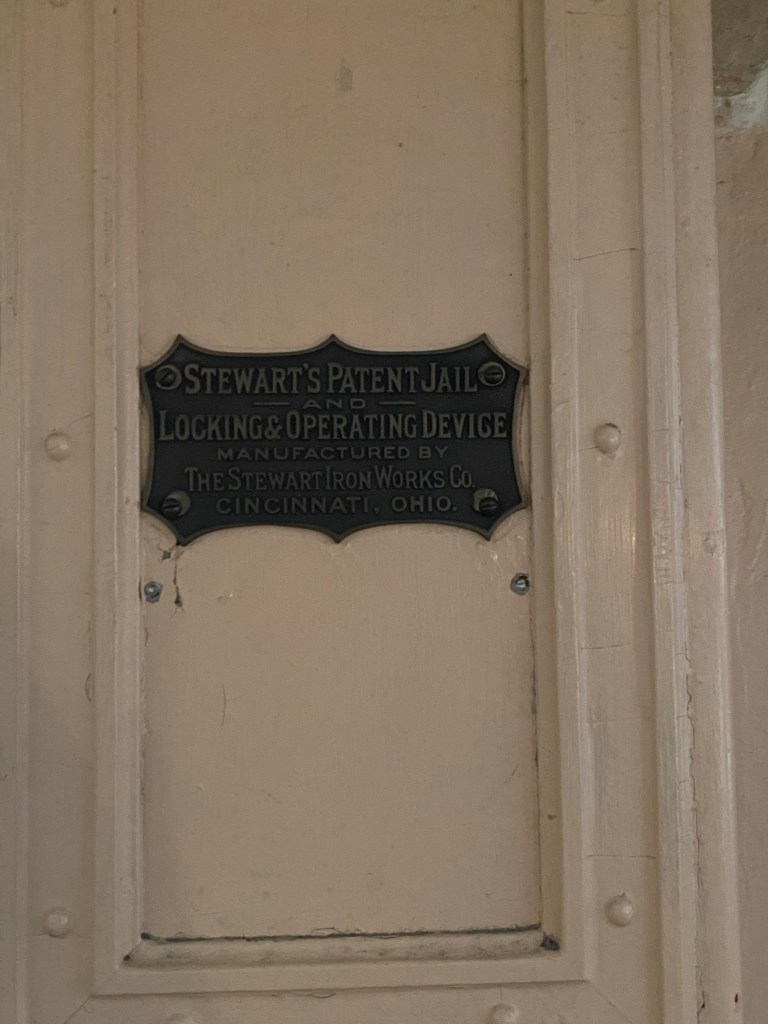
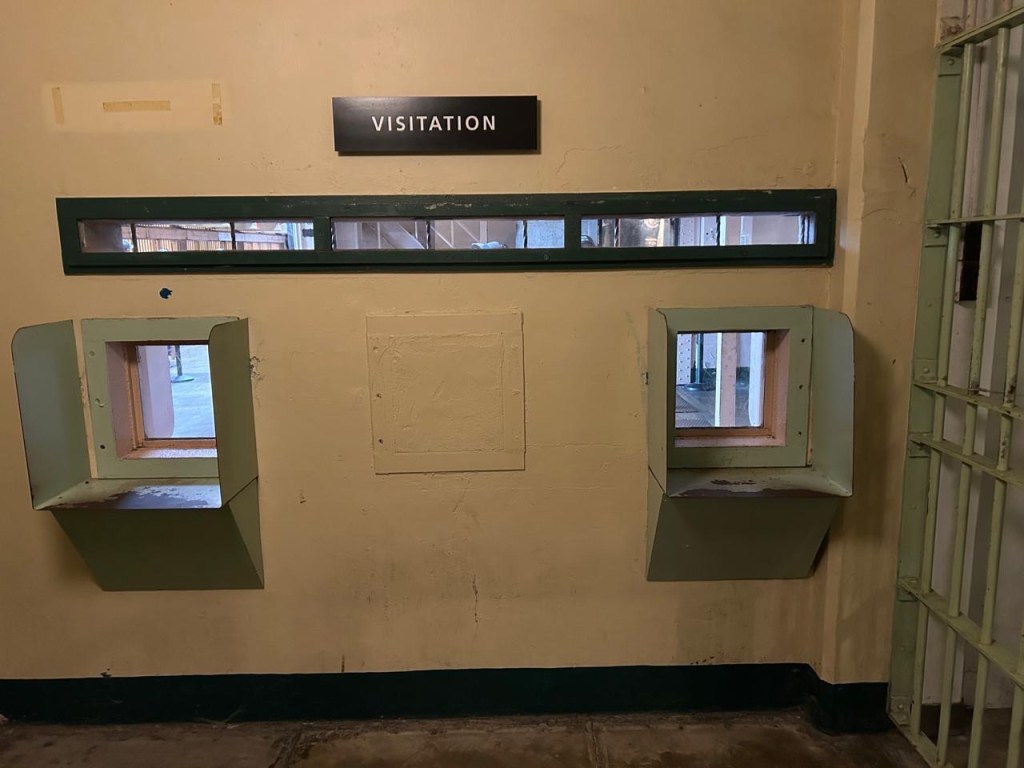
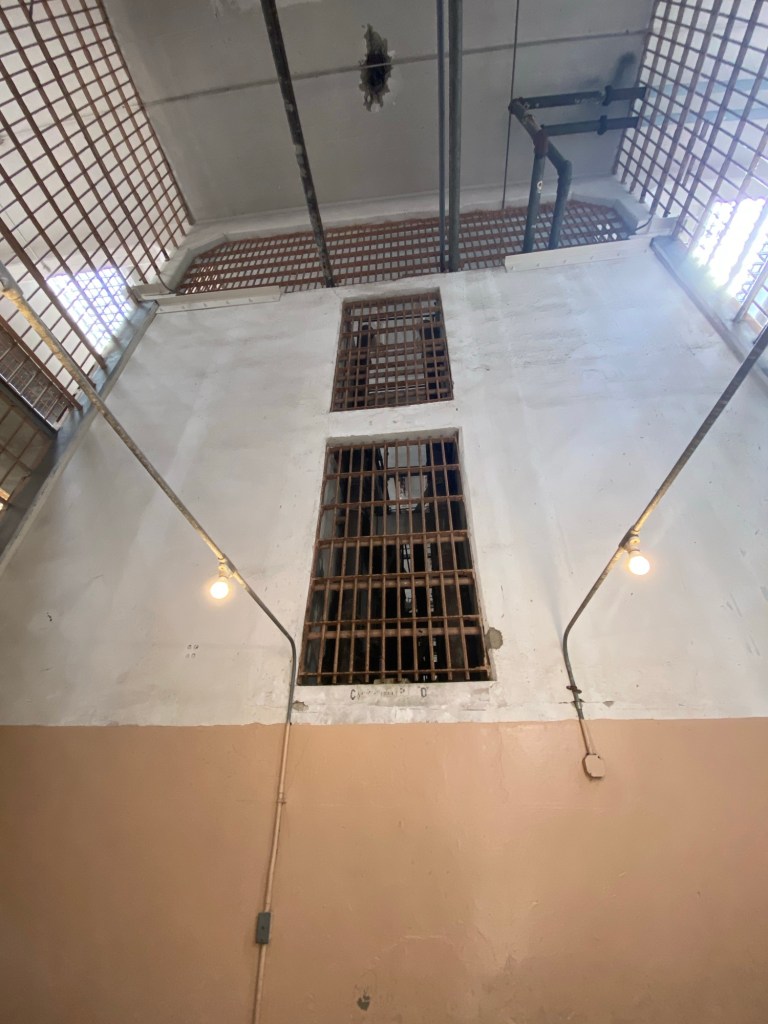
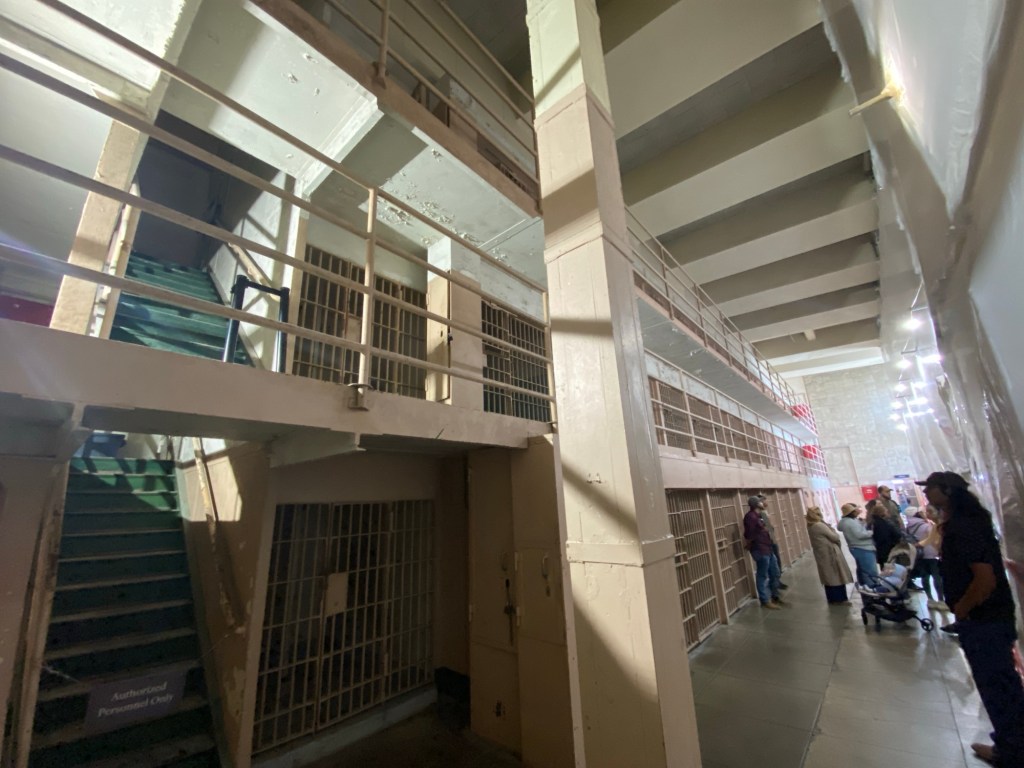
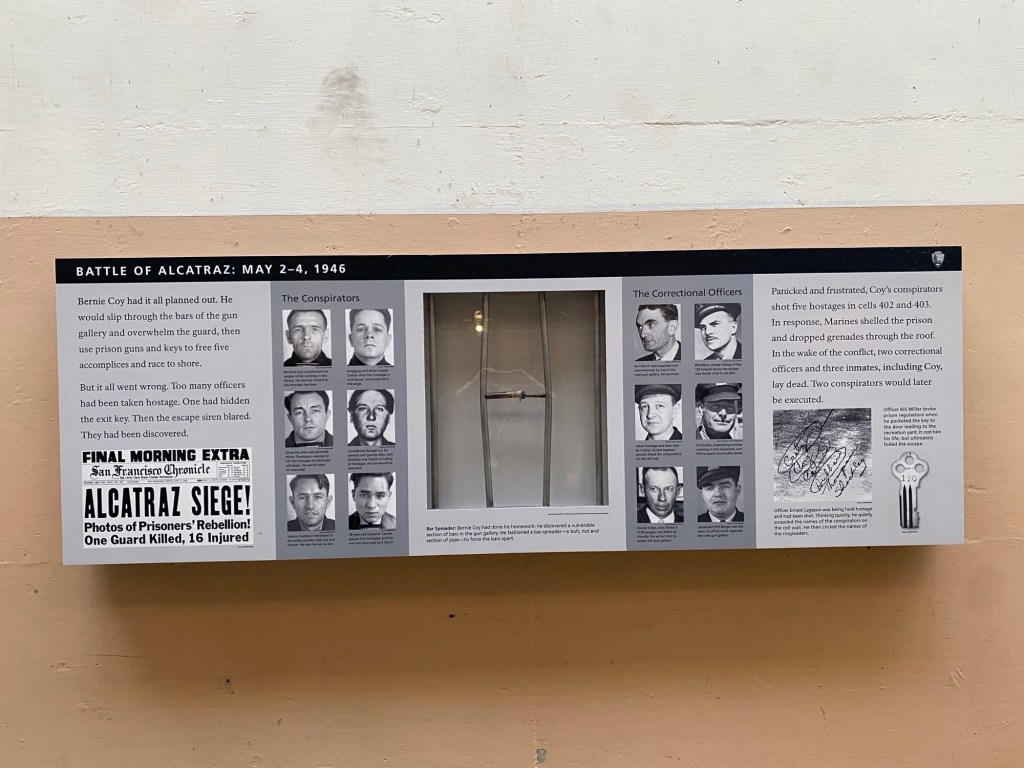
In May 1946, six prisoners attempted a daring escape.
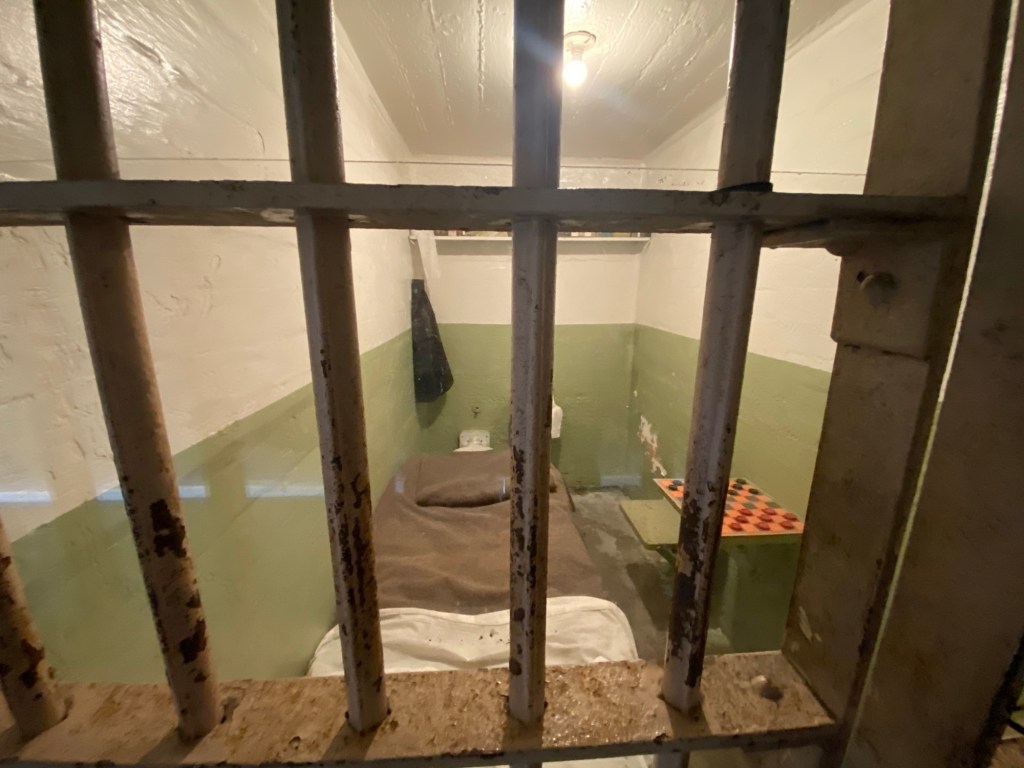
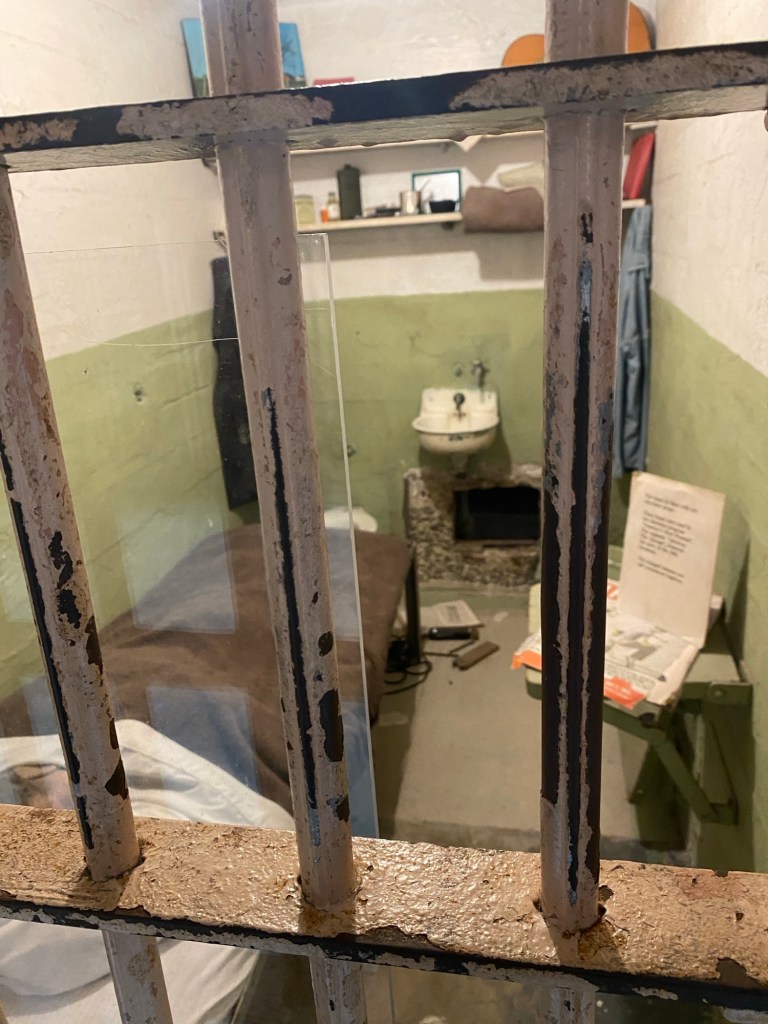
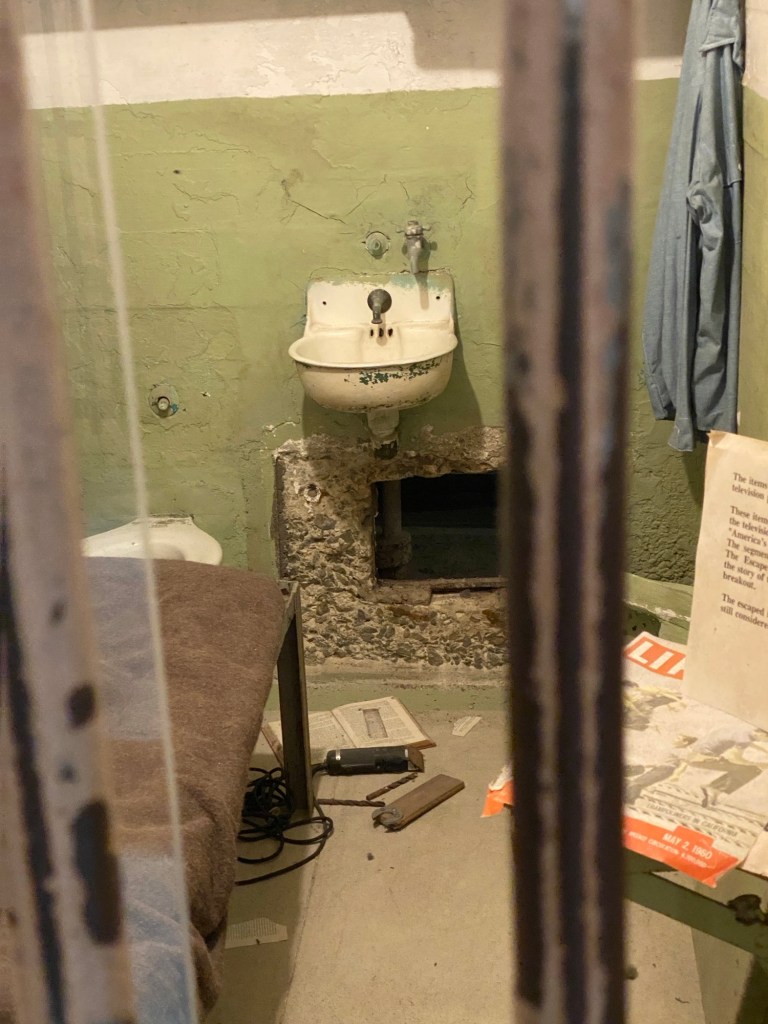
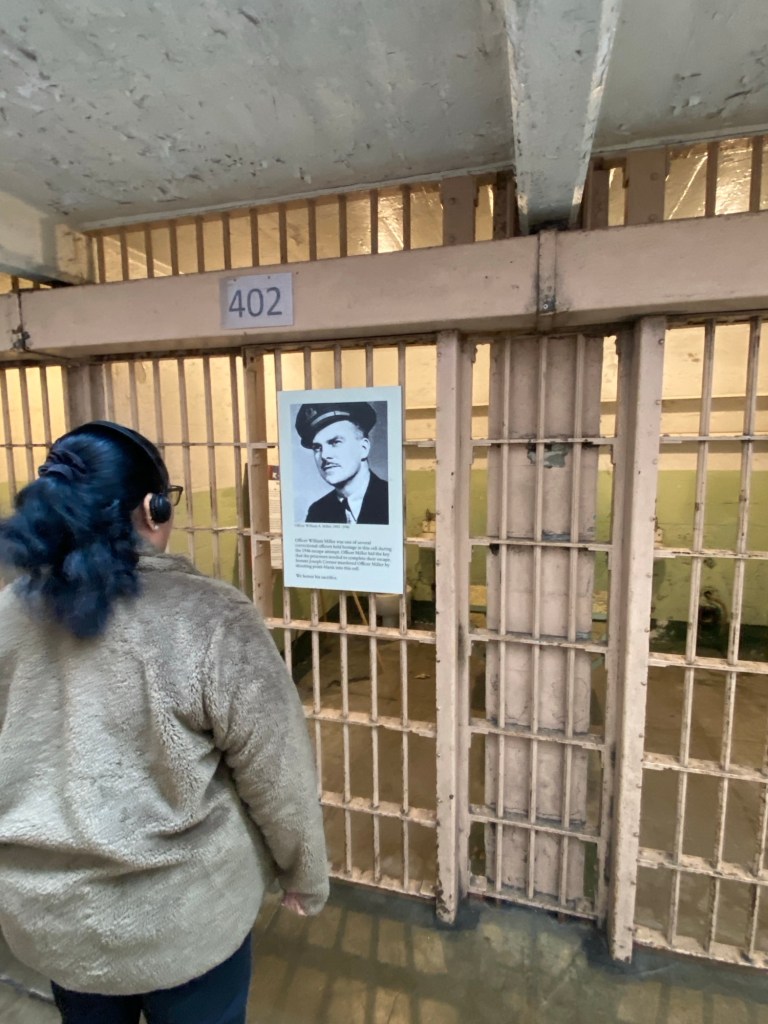
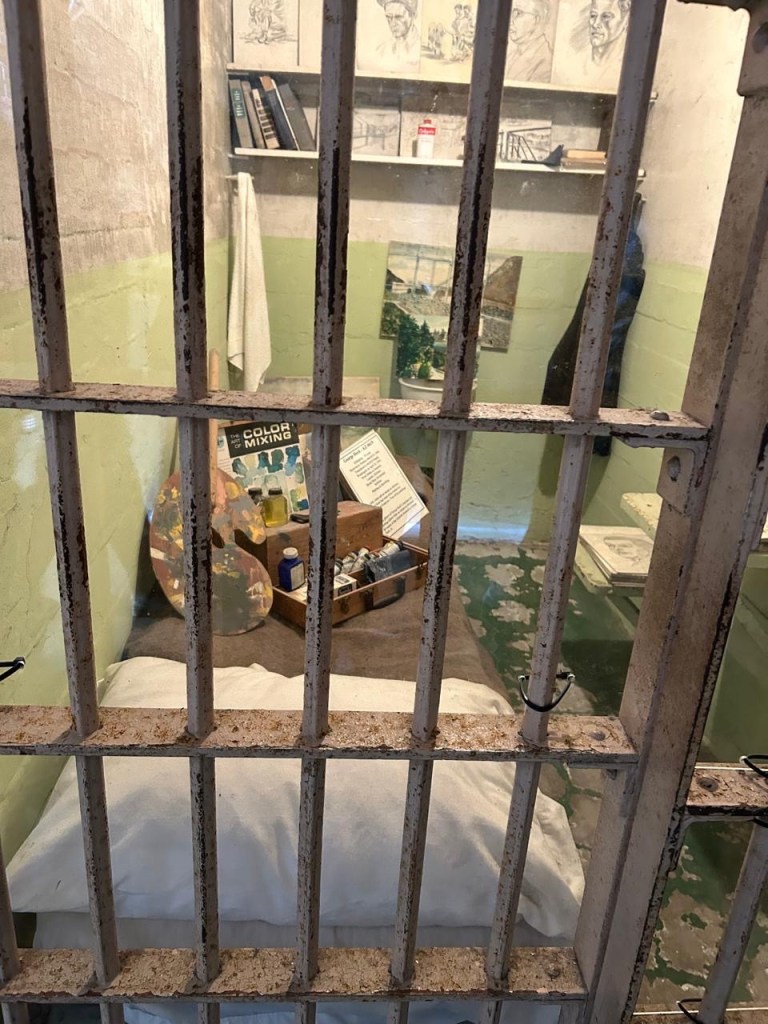
They overpowered prison officers and gained control of the cellhouse.
But their plan hit an unexpected roadblock: they discovered they did not have the key to the recreation-yard door.
The failed escape turned into the violent Battle of Alcatraz, in which several people died.
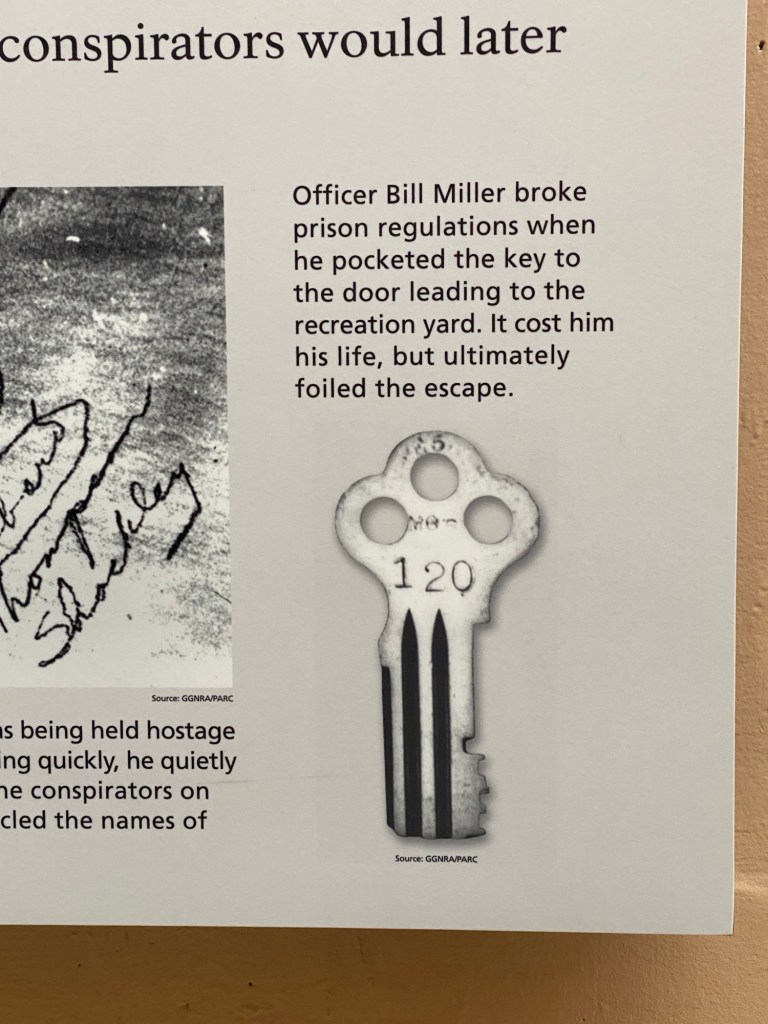
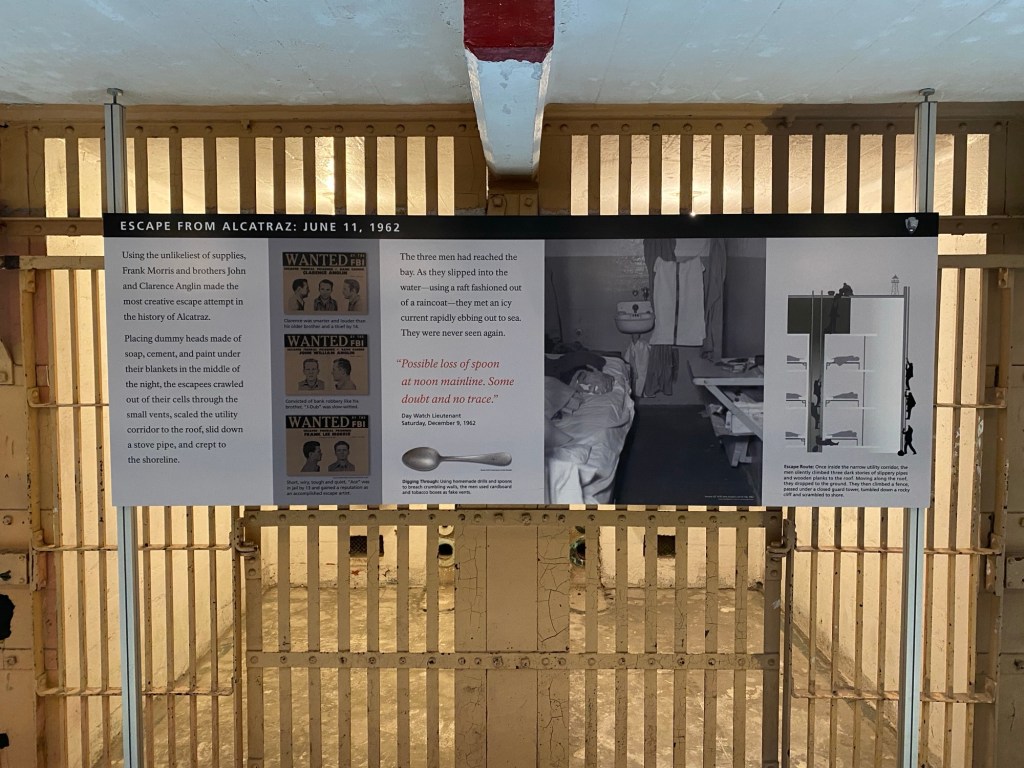
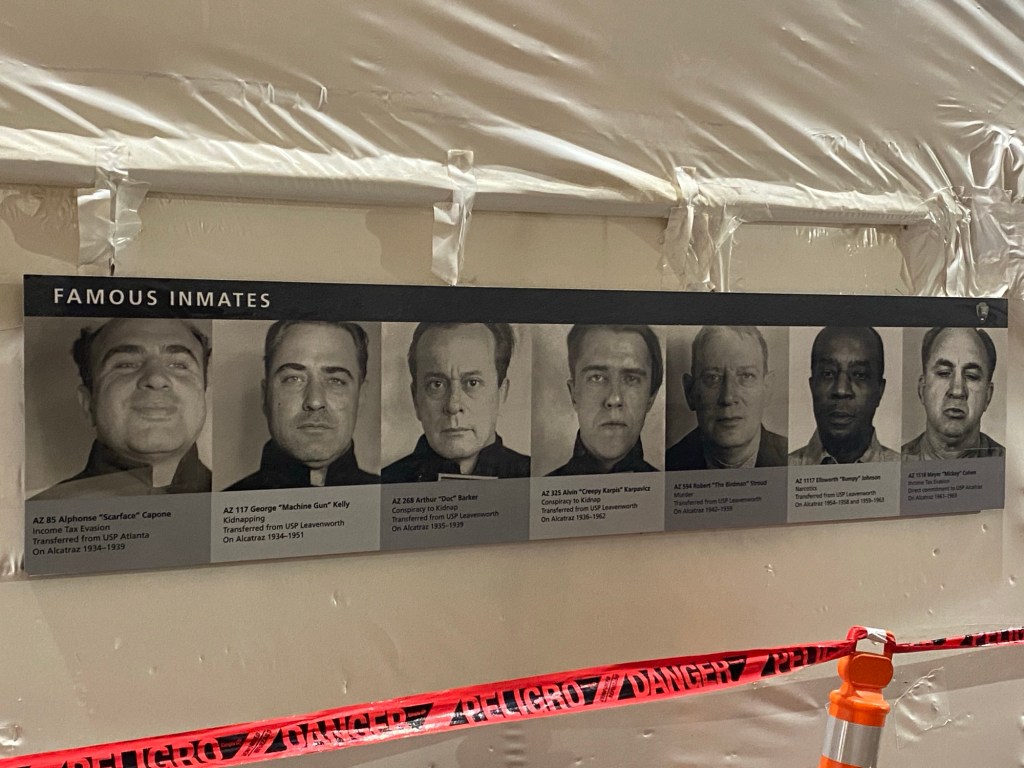
Imagine coming so close to freedom, only to be stopped by a key!
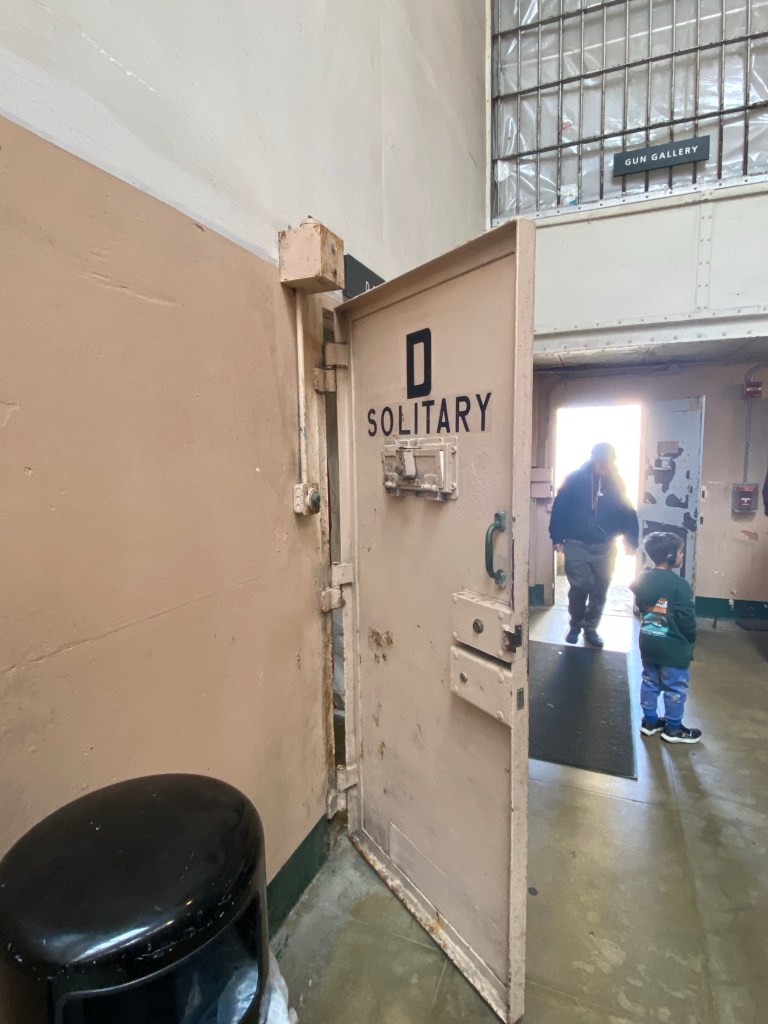
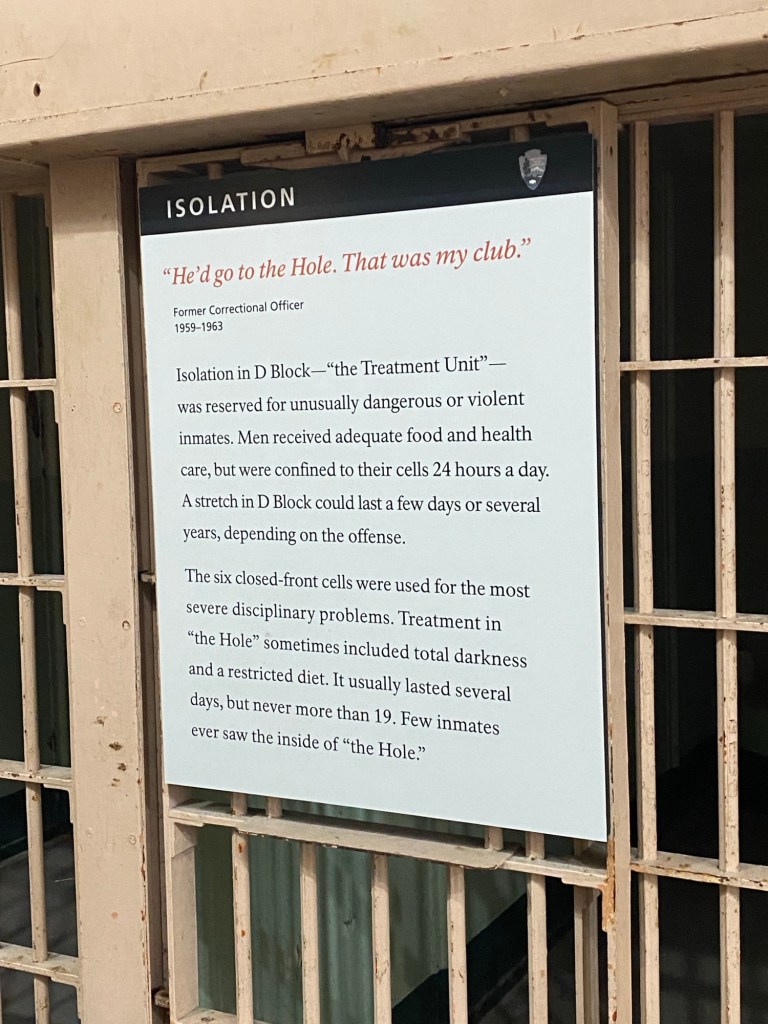
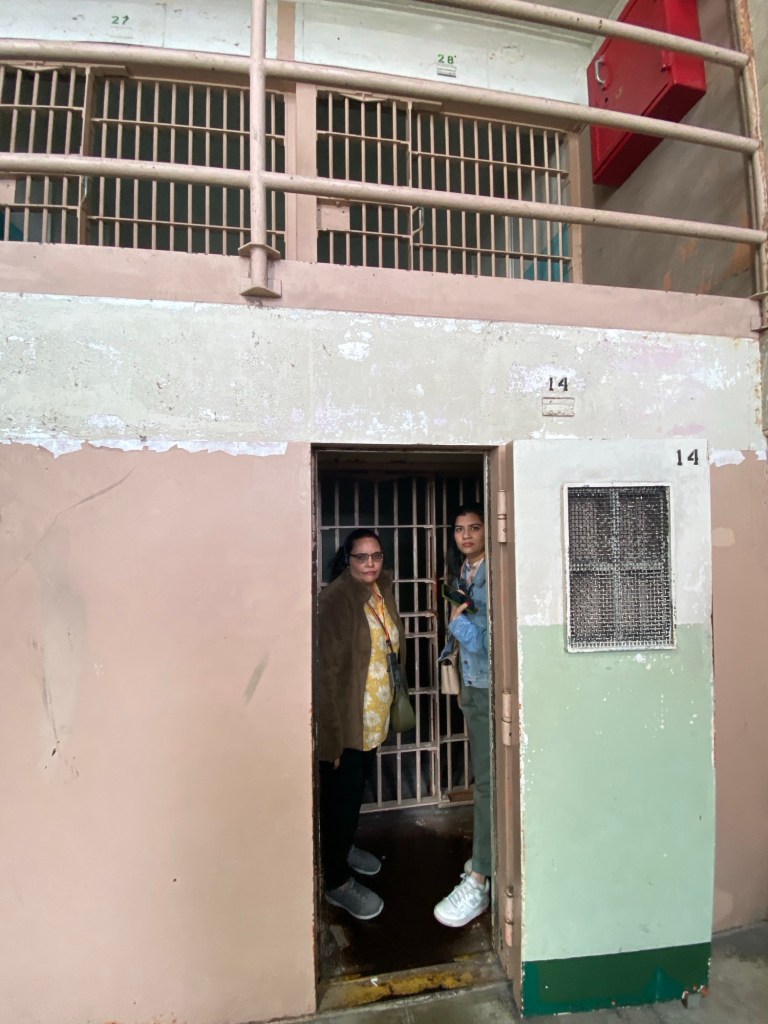
The prison closed in 1963, after 29 years of operation.
Maintaining it had become too expensive.
Alcatraz’s days as a federal penitentiary were over… but the island’s story was far from finished.
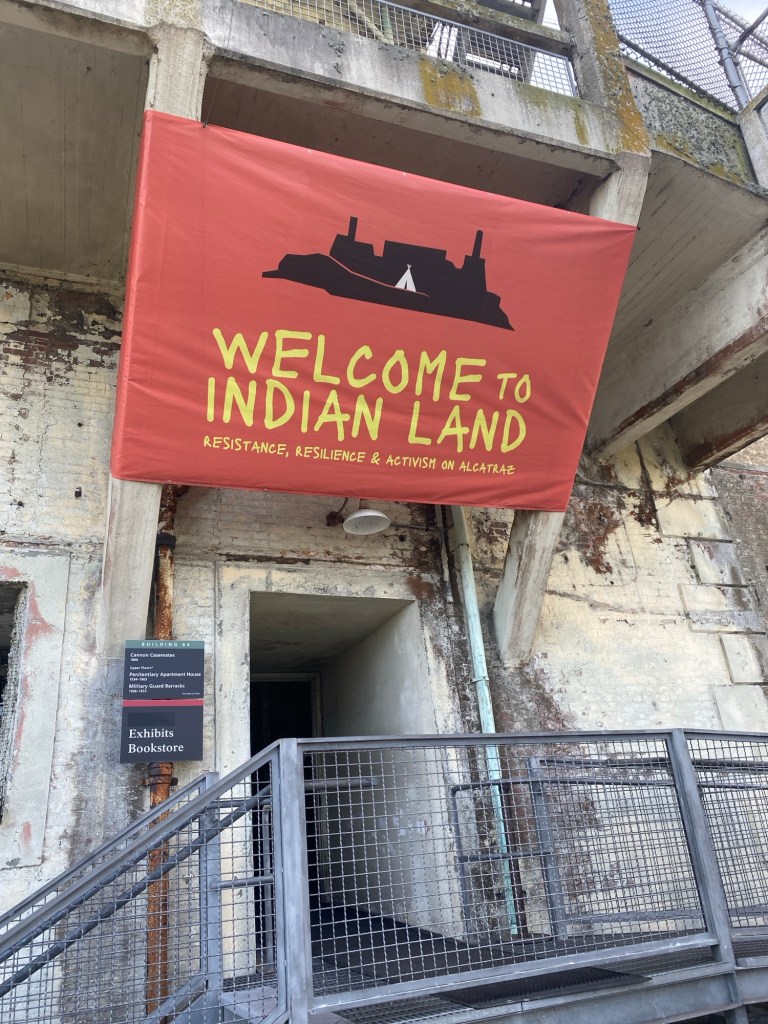
In 1969, Native American activists occupied the island for 19 months, demanding recognition of Indigenous rights.
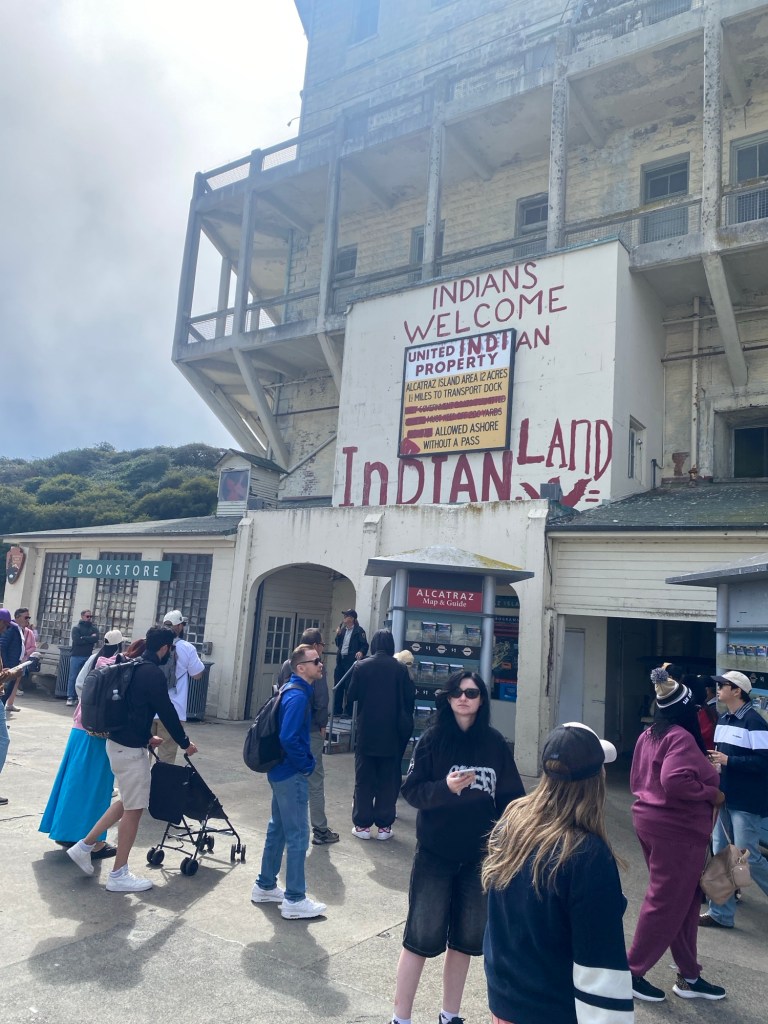
The former prison became an unlikely platform for a new struggle. Not to escape confinement, but to challenge injustice.
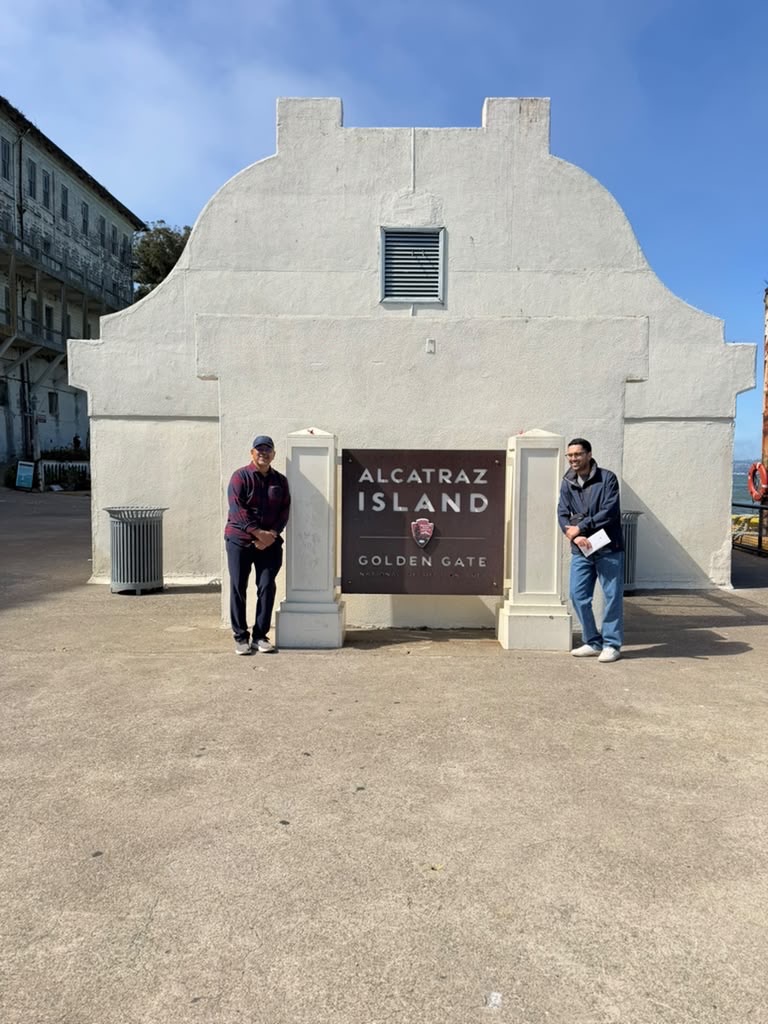
Today, we arrive by ferry, cameras ready, surrounded by blue waters and breathtaking views.
It is hard to imagine that these same waters once stood between prisoners and the world they longed to return to.
Inside those walls, a missing key helped turn an escape plan into a tragedy.
Years later, others came to the island, not to break out of prison, but to make their voices heard beyond its shores.
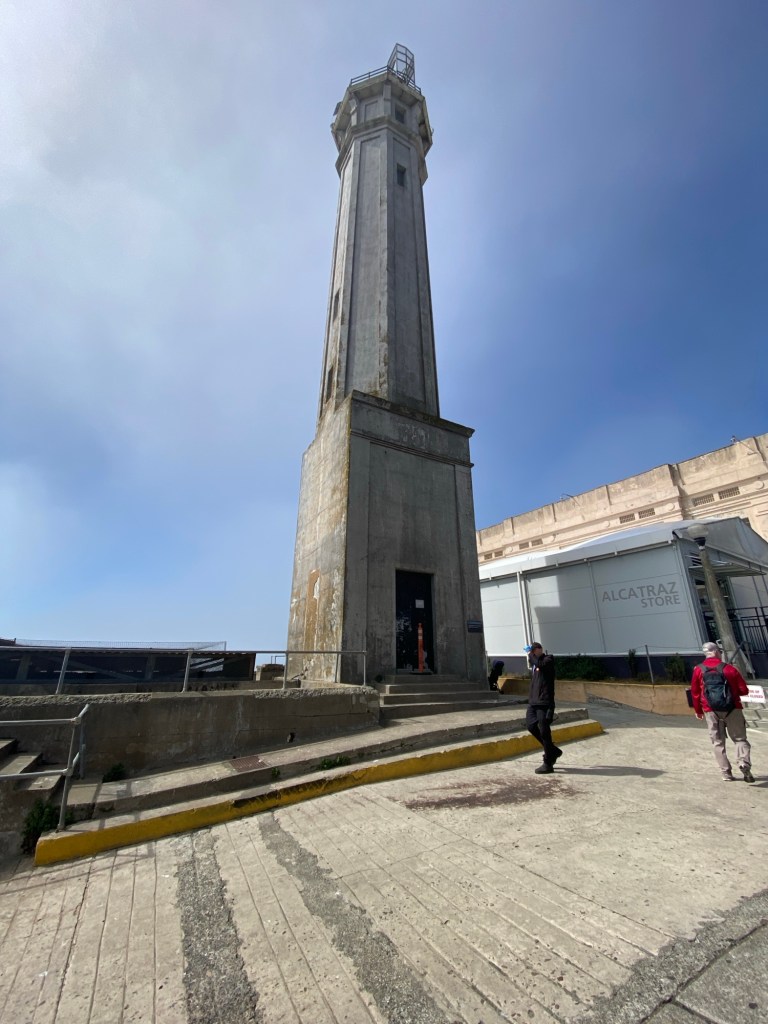
Standing there, I couldn’t help thinking how differently we value freedom when we have it… and when we don’t.
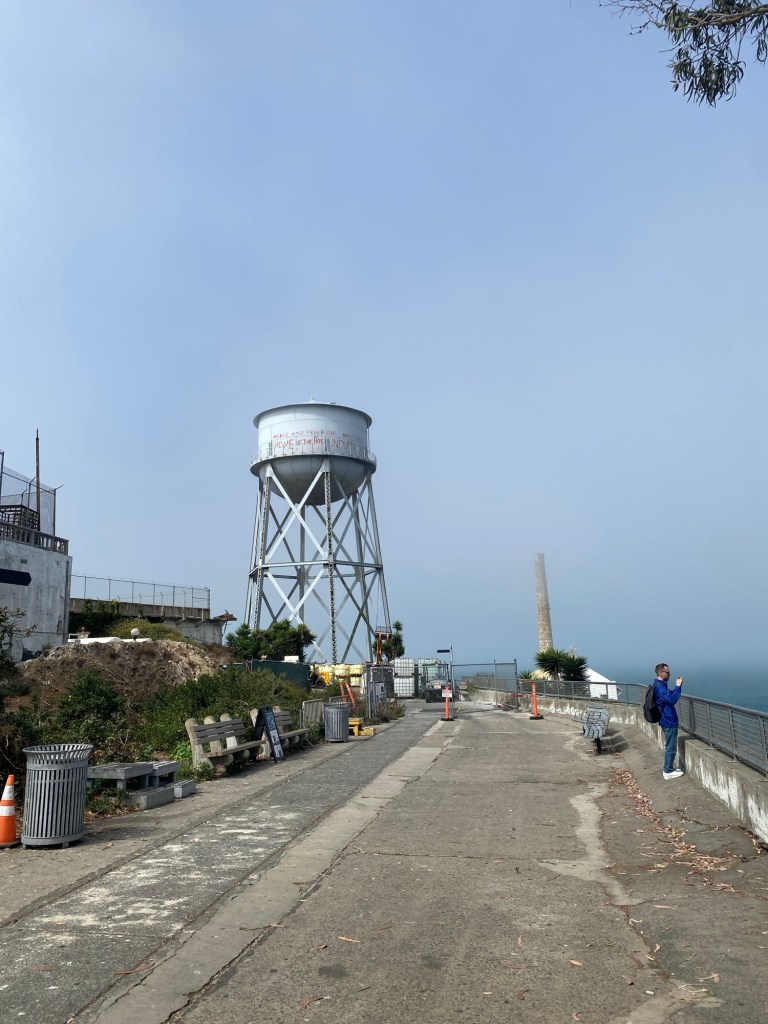
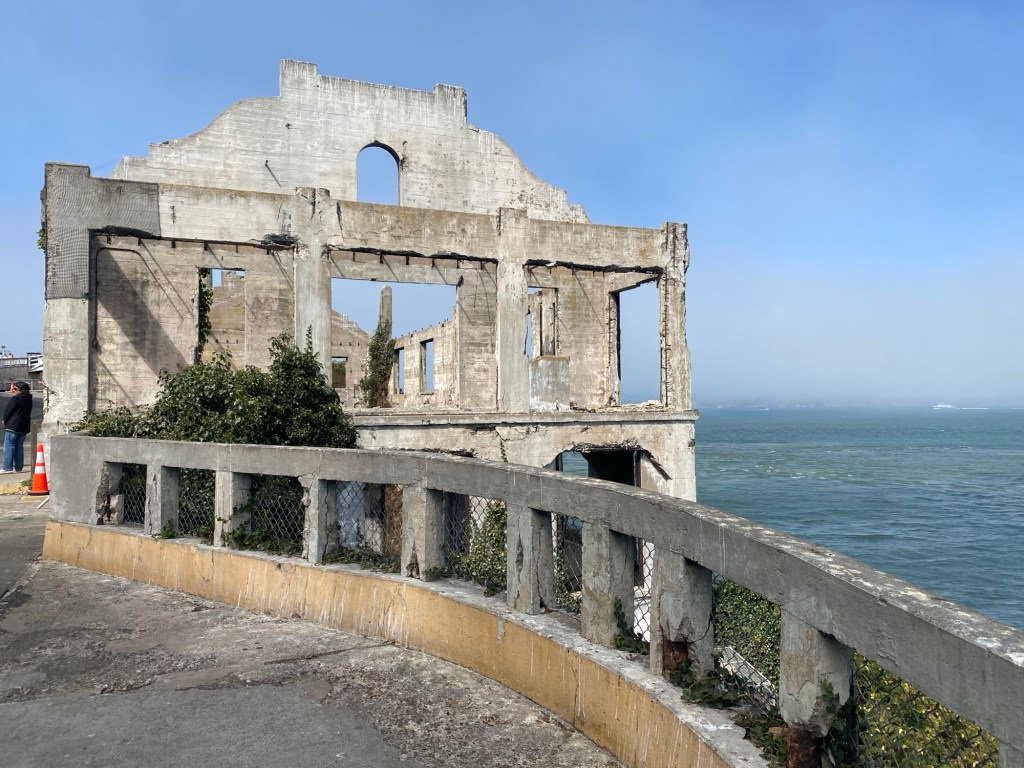
Sometimes, freedom is a door we desperately want to open.
Sometimes, it is the right to be heard.
And sometimes, it is simply the ability to choose where we go, what we say, and how we live.
Alcatraz taught me one thing: the hardest walls to escape may not always be made of stone.