
Why Are There Ducks on Jeeps?
When I was young, I thought “jeep” was a type of vehicle, not a brand.
In India, almost any rugged, boxy vehicle seemed to qualify as a jeep. 😄
Of course, soon enough, I learned that Jeep is an American automobile brand.
But during our American sojourn, I discovered something I hadn’t known.
Jeep isn’t just a brand.
It has a history, a culture, a special wave between its owners…
And, believe it or not, rubber ducks! 😄
That got me curious.
And ever since I stumbled upon the Jeep story, I’ve developed a rather peculiar habit.
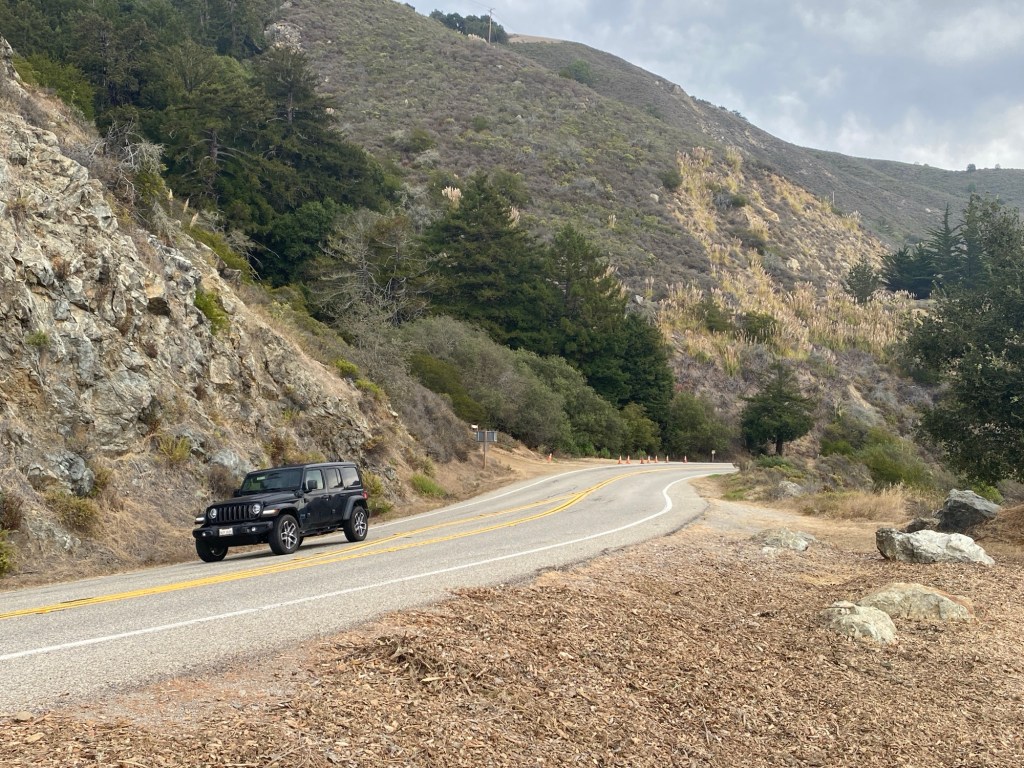
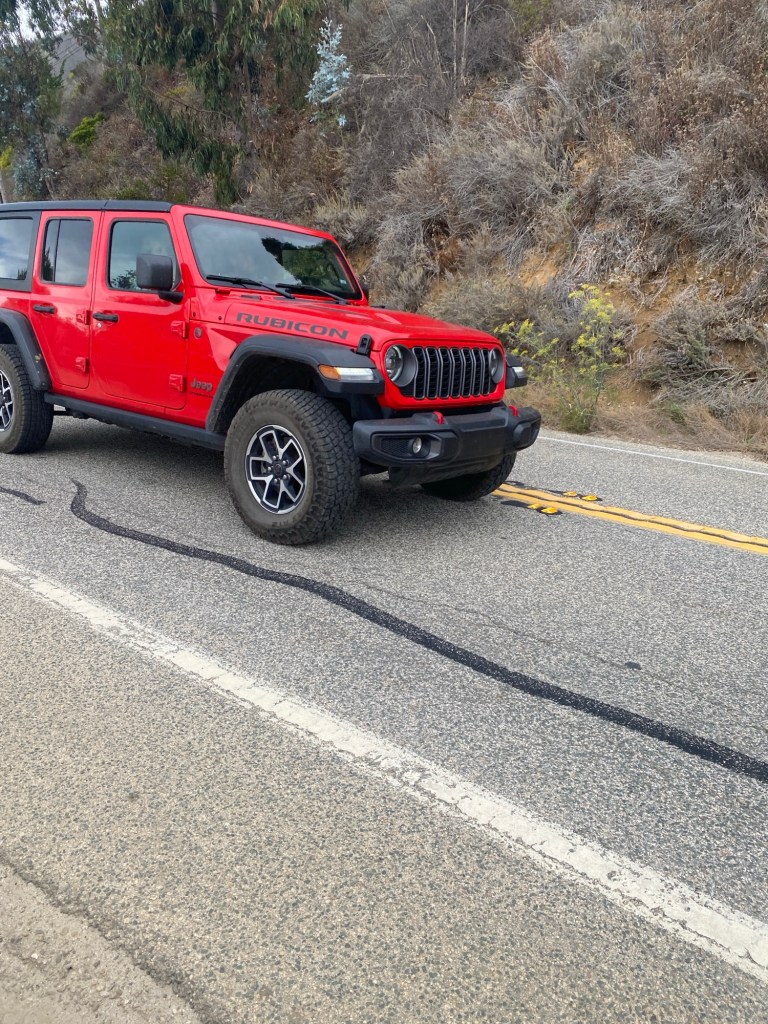
I can’t see a Jeep without taking a photograph of it.
White Jeep? Photograph.
Red Jeep? Photograph.
Jeep on the highway? Photograph.
Jeep parked somewhere? Photograph.
My camera roll is slowly becoming a Jeep catalogue… and my wife and kids are beginning to wonder why I keep photographing every Jeep I see. 😂
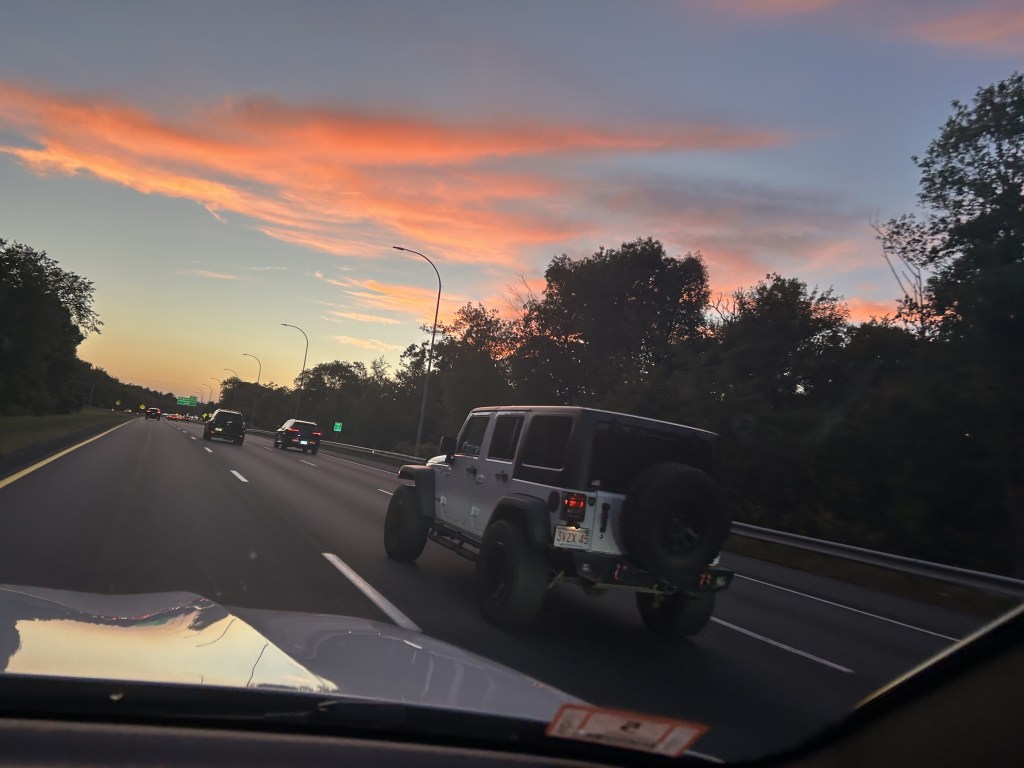
The original Jeep was developed for the U.S. Army during World War II. A lightweight, four-wheel-drive vehicle built to go where ordinary vehicles couldn’t.


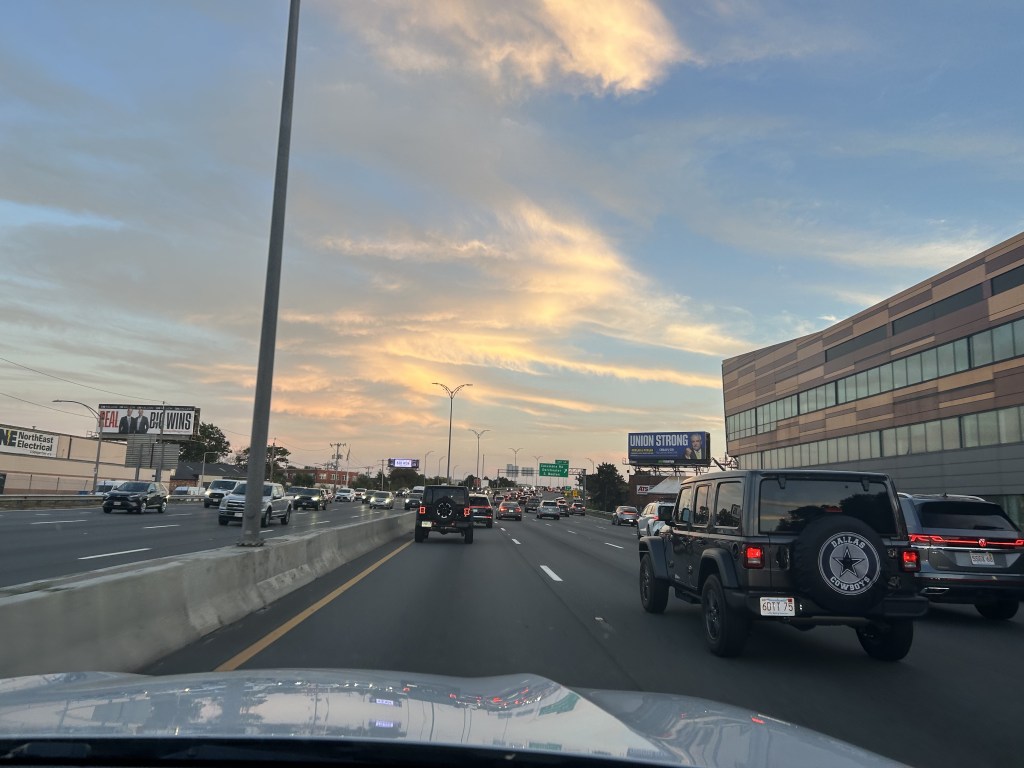

After the war, surplus military Jeeps were sold to civilians, with returning servicemen among those eager to own them.
And in 1945, the civilian CJ-2A arrived.
From battlefield to farm field.
Not a bad career change. 😄
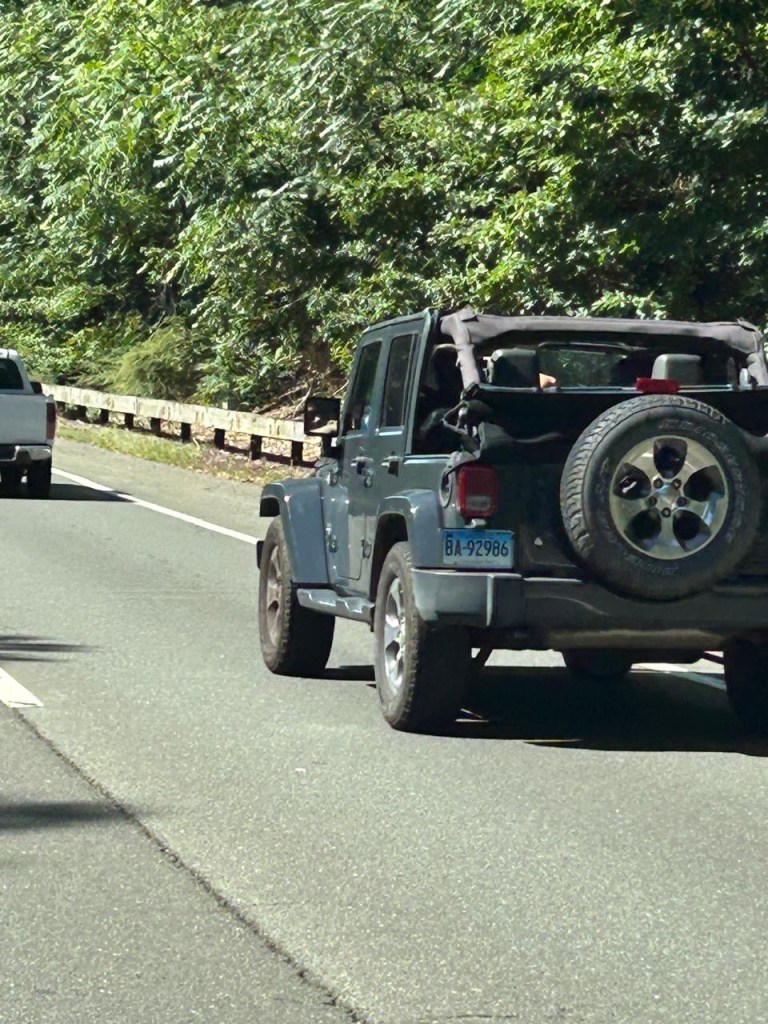
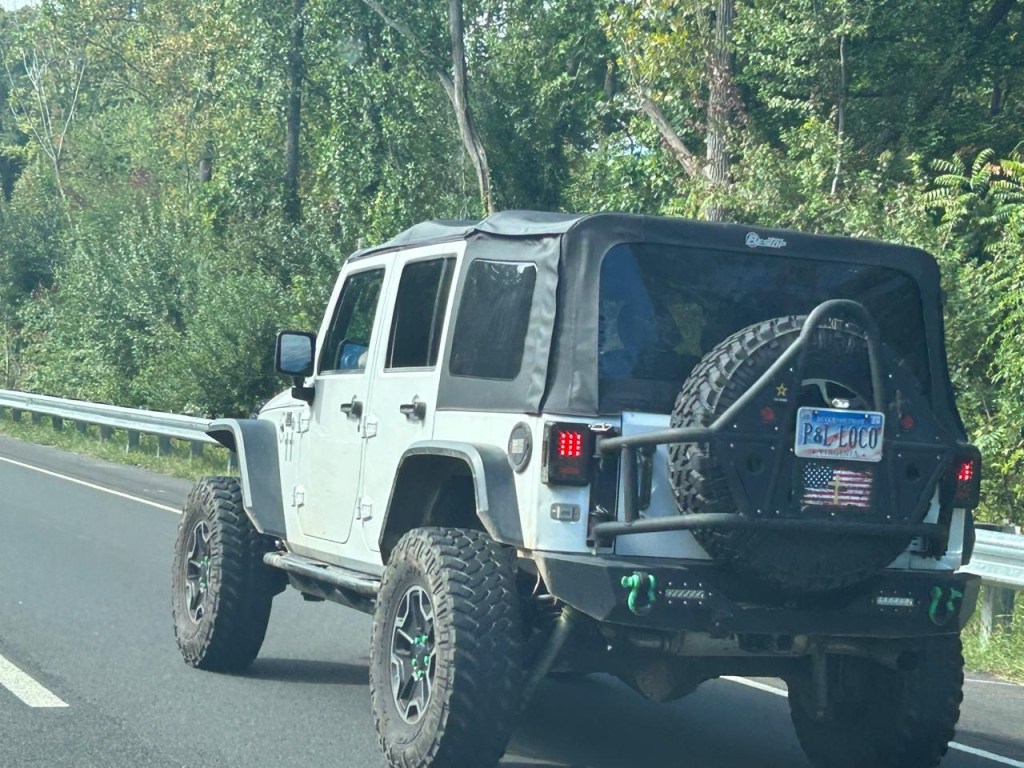
Then came another Jeep tradition.
The Jeep Wave.
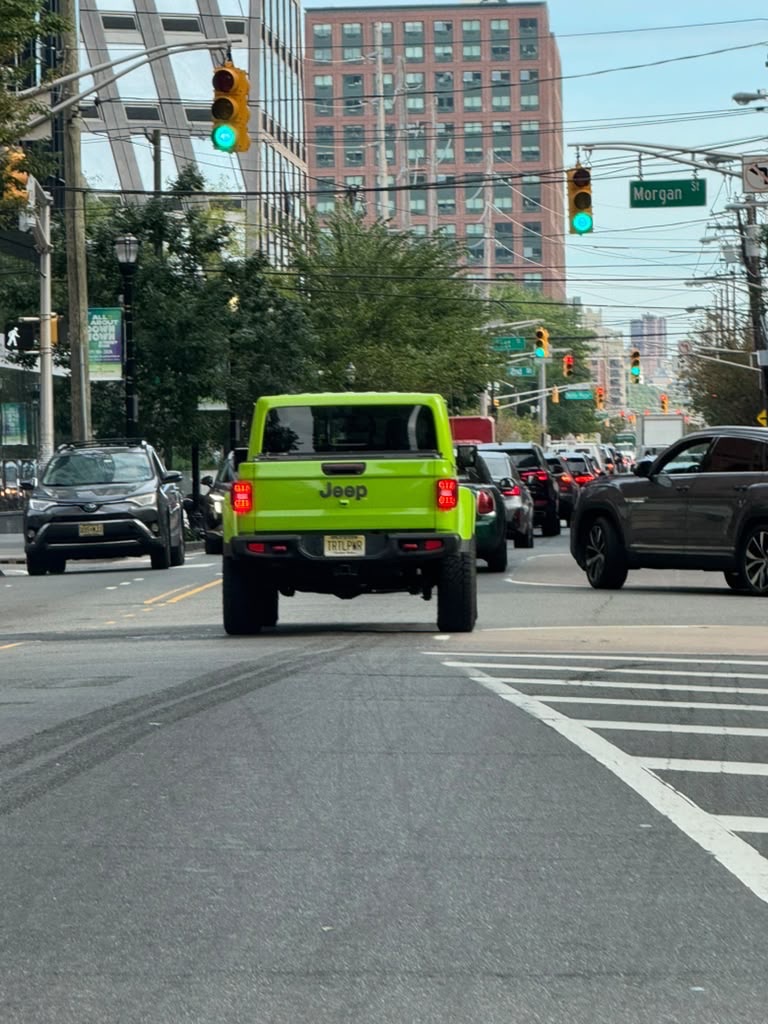
Jeep owners wave to one another as they pass.
Nobody is quite sure exactly when the tradition began.
But somehow, it stuck.
A simple:
“Hey, I see you.”
And then came the ducks.
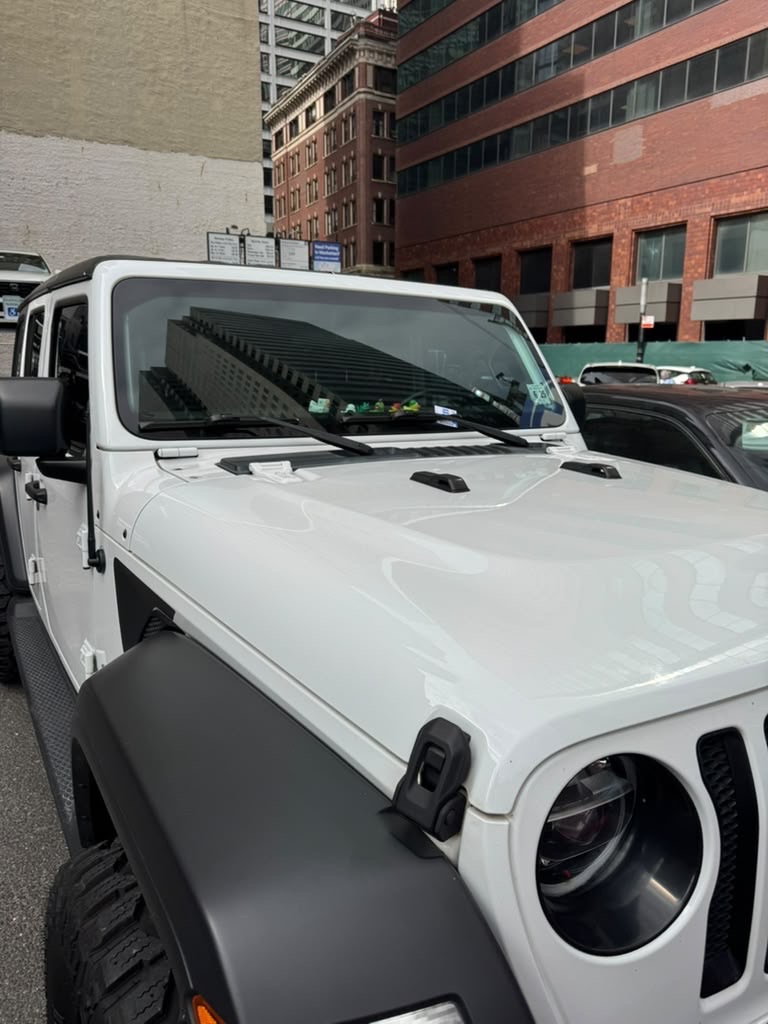
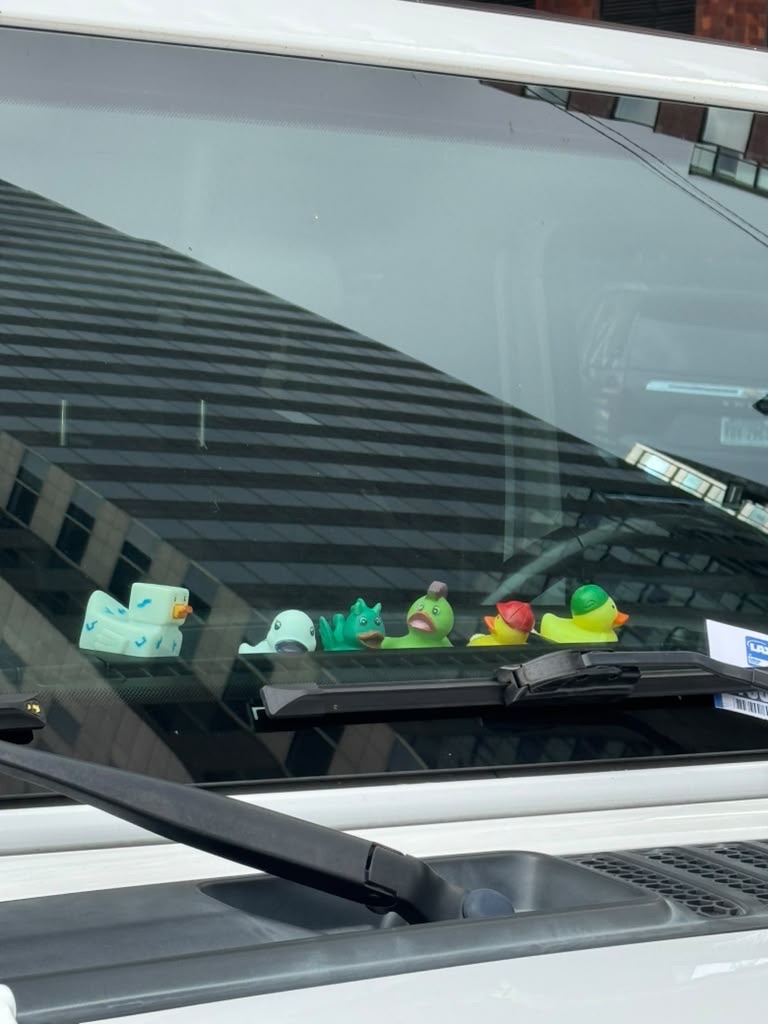
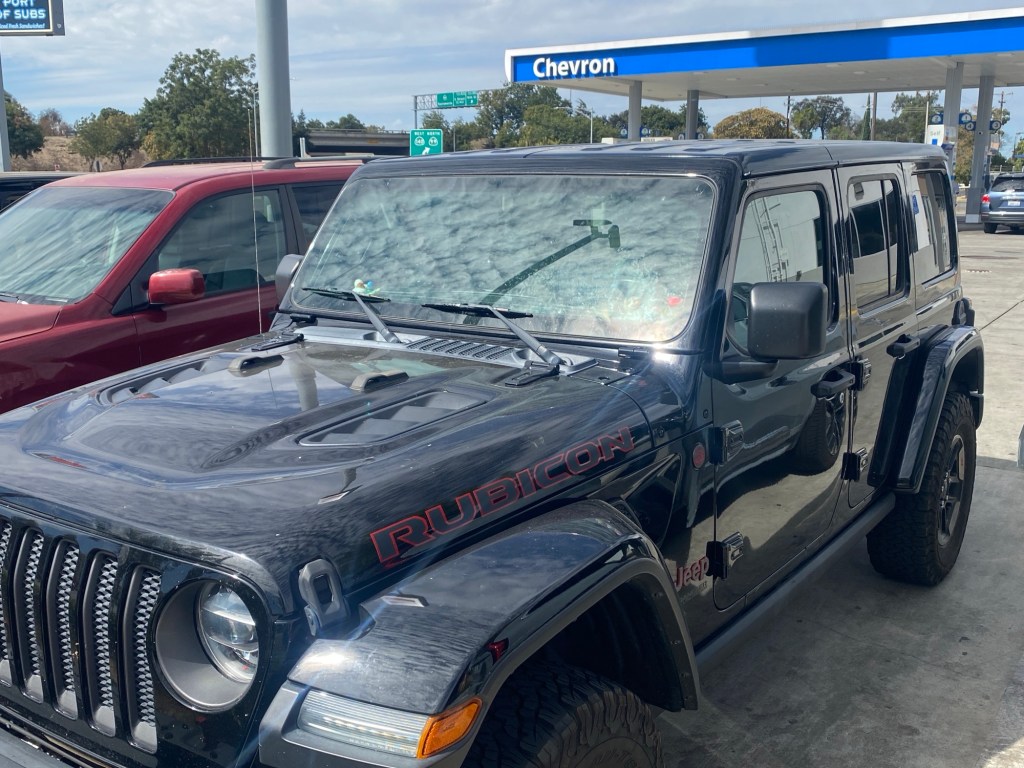
Since 2020, Jeep owners have been leaving little rubber ducks on other Jeeps… often with a note saying:
“You’ve been Ducked!”
A tiny rubber duck.
Left by a stranger.
Just to make another stranger smile.
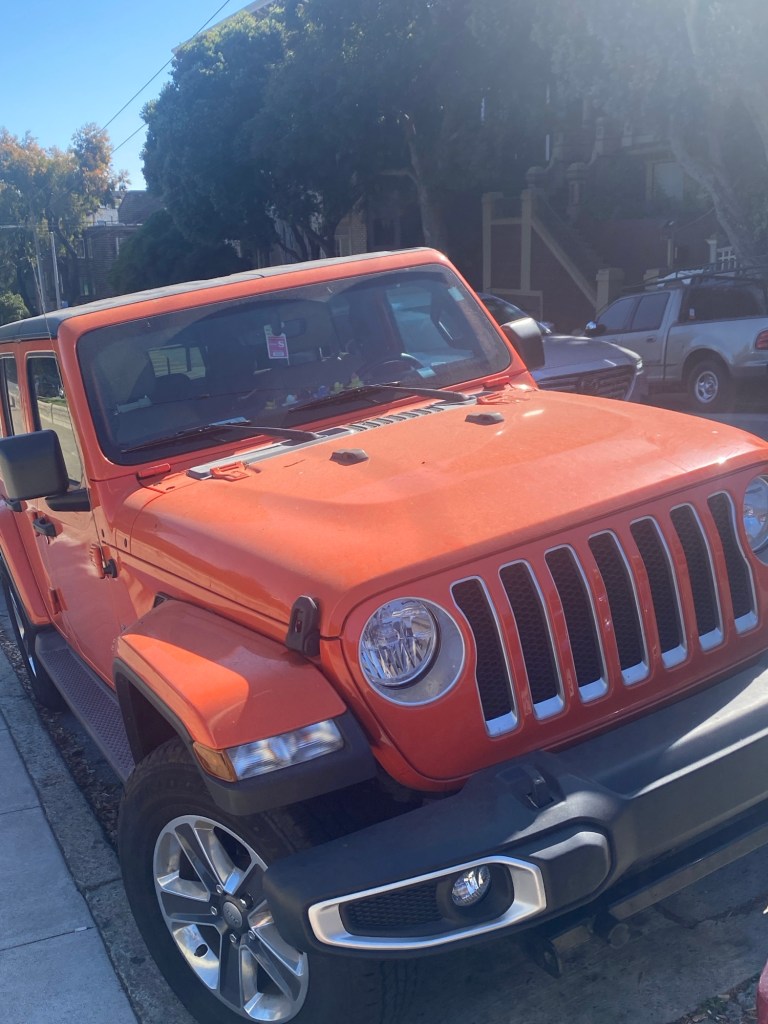
I rather like that.
A vehicle born as a military workhorse has somehow acquired a culture of waves, ducks, and smiles.
From Army Jeep
to civilian Jeep
to Jeep Wave
to rubber duck.
That’s quite a journey.
And now, whenever I see a Jeep…
I’ll be looking for the duck.
And probably taking another photograph. 😄