

Why Does America Love Brick?
The story behind the reds and browns that colour its cities
If you’ve been following my US travel stories, you know we’ve explored quite a few stops by now.
But looking back at our very first couple of drives through the region… one particular visual stuck with me right away.
Street after street, the buildings were wrapped in warm, deep tones of red and brown.
I began to suspect Boston had a secret rule: every building must wear red or brown!
Was it just an architectural obsession, or was there a deeper story behind all those bricks?
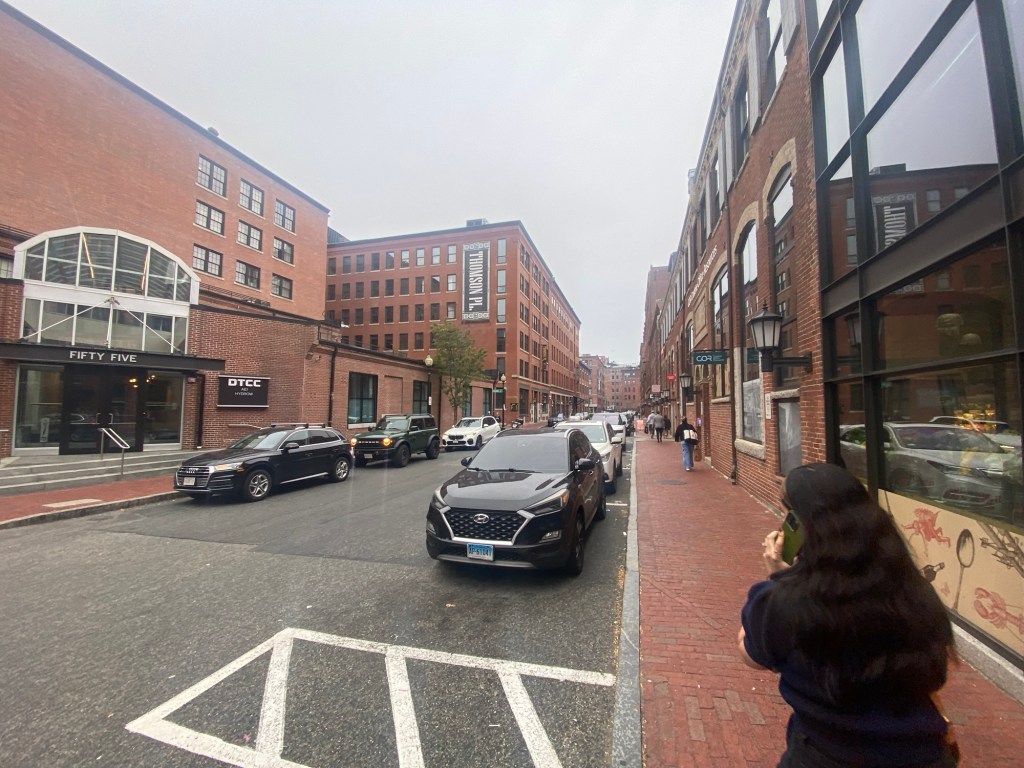


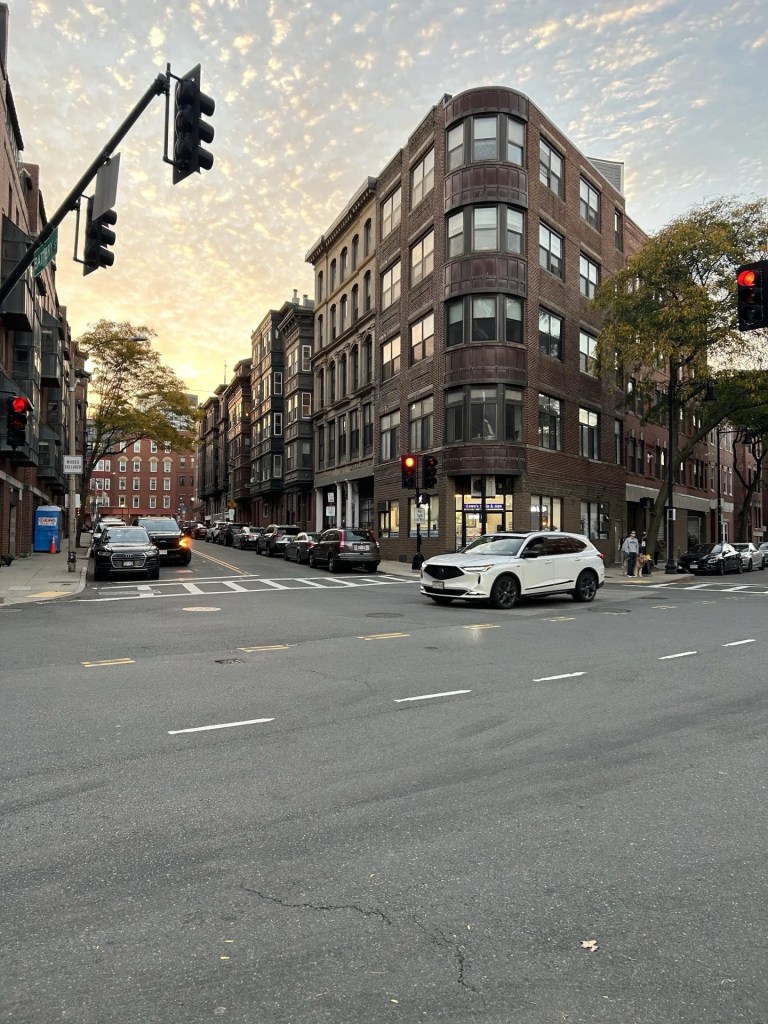

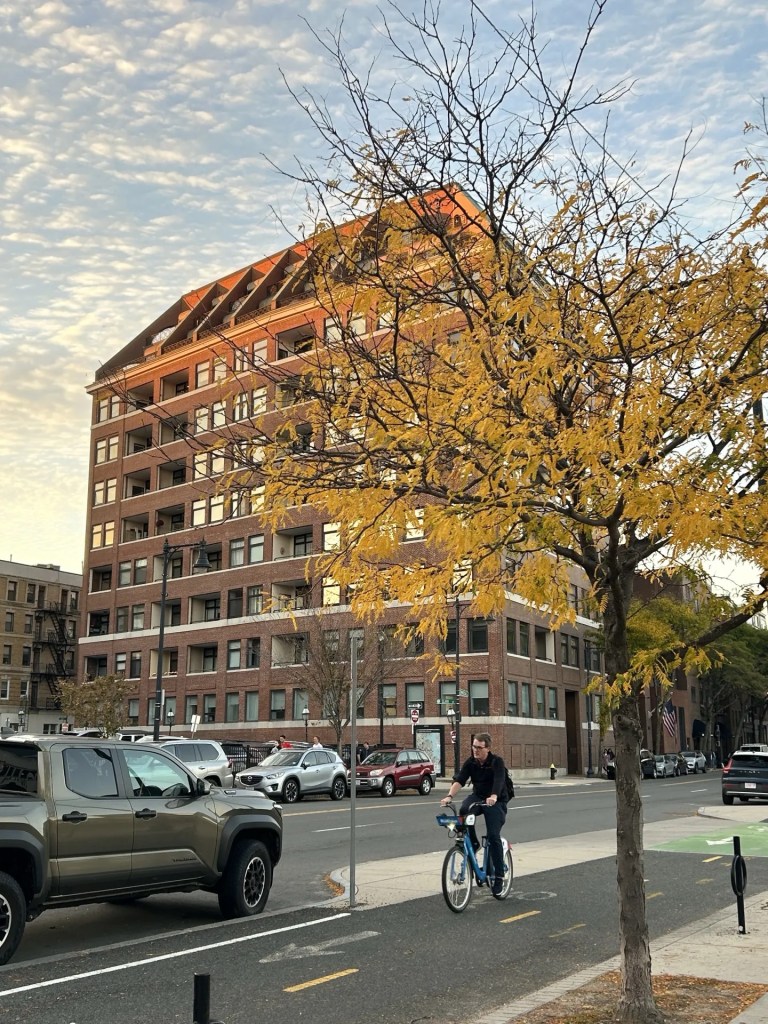
It turns out, Boston’s look was shaped by the very ground beneath it.
The area was rich in natural clay, and as the city grew, so did its brickmaking industry.
That iconic, familiar red?
It came largely from iron in the local clay, brought to life by the intense heat of the kiln.
In November 1872, the Great Boston Fire swept through the city’s financial district, consuming hundreds of wooden buildings in a matter of hours.
The disaster was a turning point.
But here was the twist: the city’s worst enemy was also making its armour.
Fire destroyed the wooden buildings, but fire also baked the clay bricks that finally stopped the flames.
As city leaders rebuilt from the ashes, brick transformed from a stylish choice into an essential shield.
Brick wasn’t entirely fireproof, but compared to exposed timber, it gave a growing city a fighting chance.
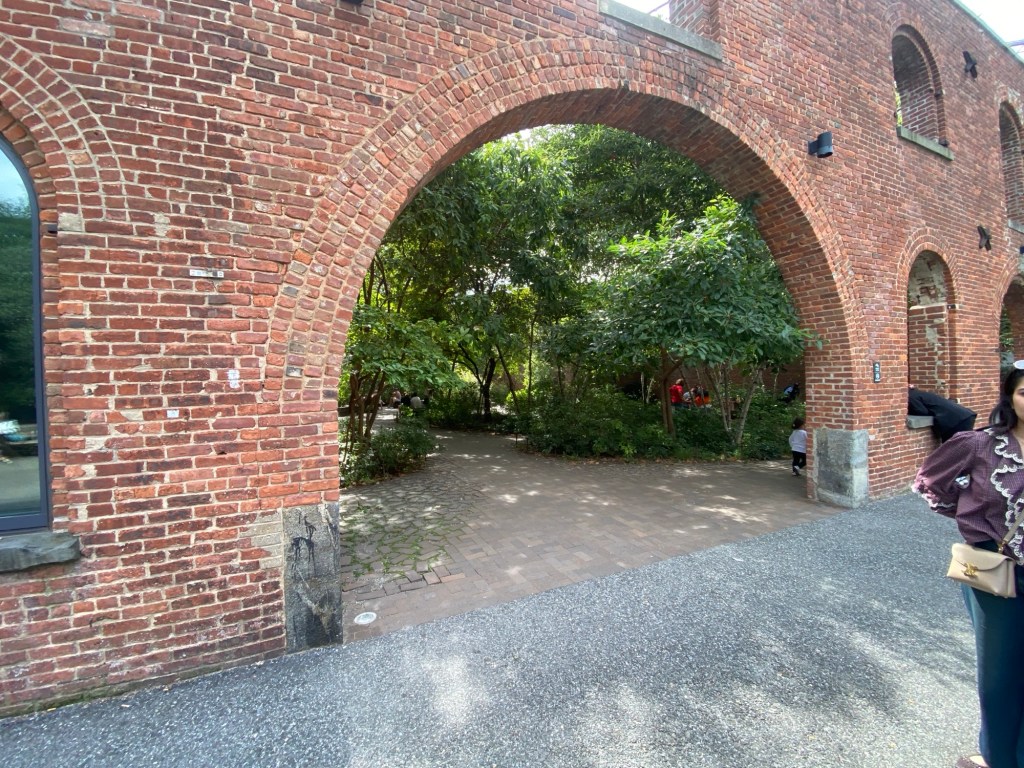
When we traveled down to New York, the brick story took another fascinating turn.
In the nineteenth century, endless fleets of barges carried bricks down the Hudson River from upstate brickyards to fuel New York’s explosive growth.
Millions more traveled by train and boat from Philadelphia.
Standing on a sidewalk in Manhattan, it struck me: a city’s skyline could literally depend on another city’s soil!
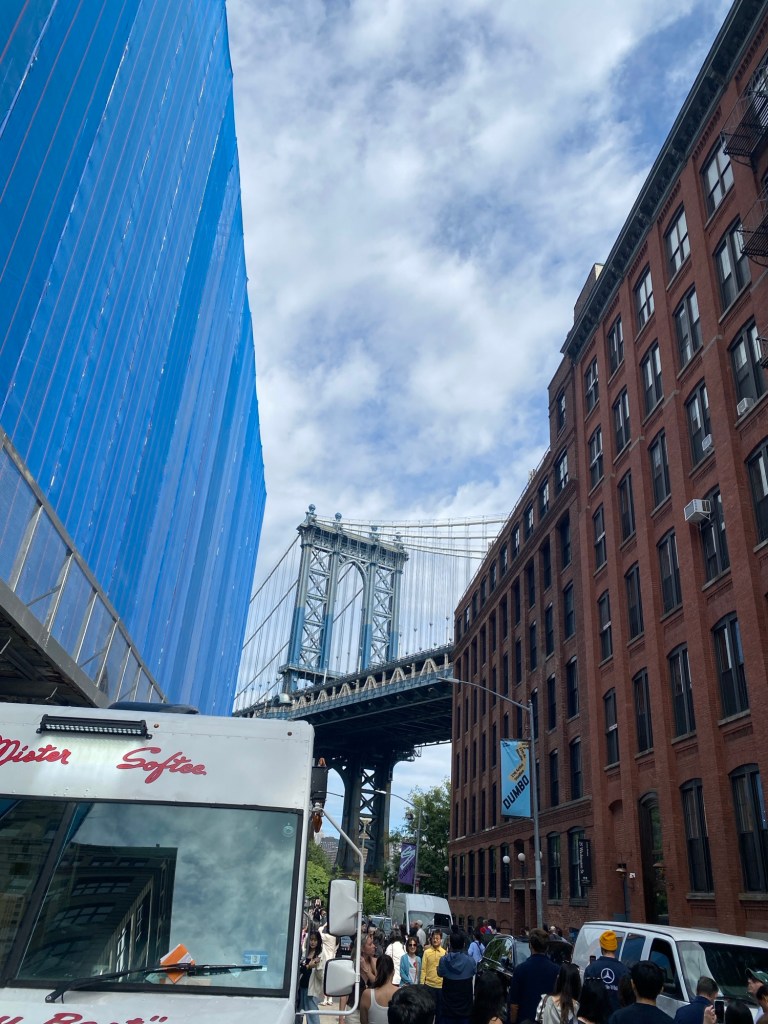
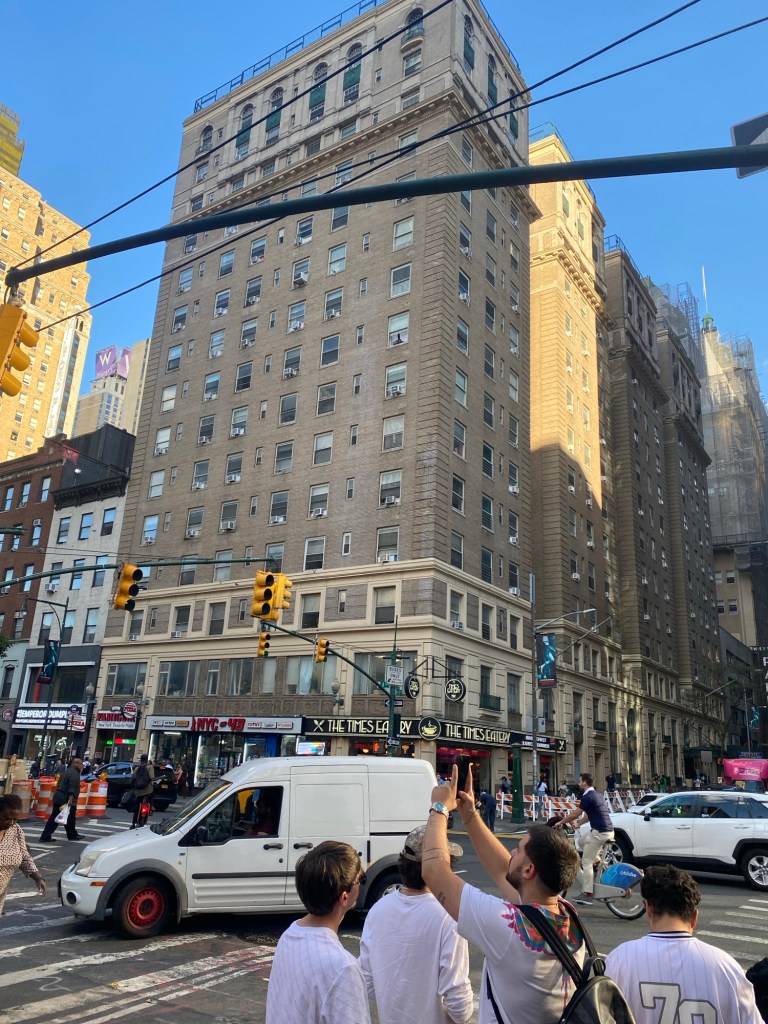
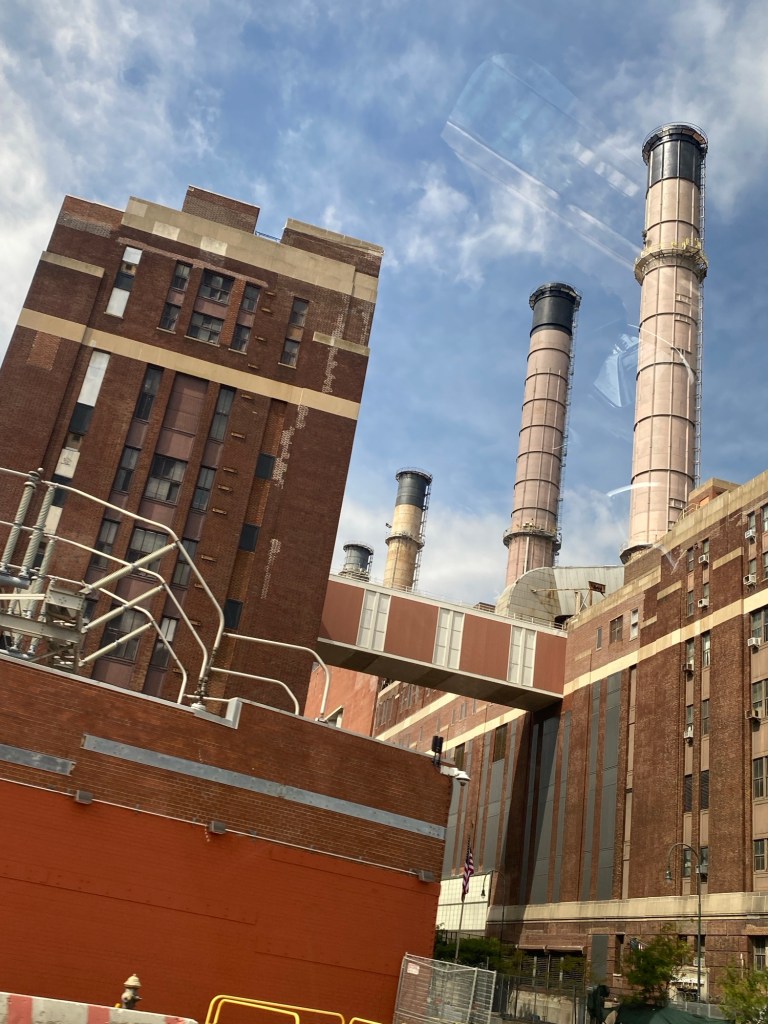


Today, those historic façades stand side-by-side with gleaming glass towers.
The skyline changes, but the story woven into the earth beneath it remains.
I went looking for an explanation for a simple color pattern and ended up discovering a rich tapestry of earth, human ingenuity, disaster, and trade.
Sometimes travel means noticing an ordinary wall… and realizing that even a humble brick has a story to tell.