

WHY DOES THE MAIL TRUCK LOOK LIKE THAT?
During my travels, I developed an unexpected interest in the United States Postal Service—or, more specifically, its delivery trucks.
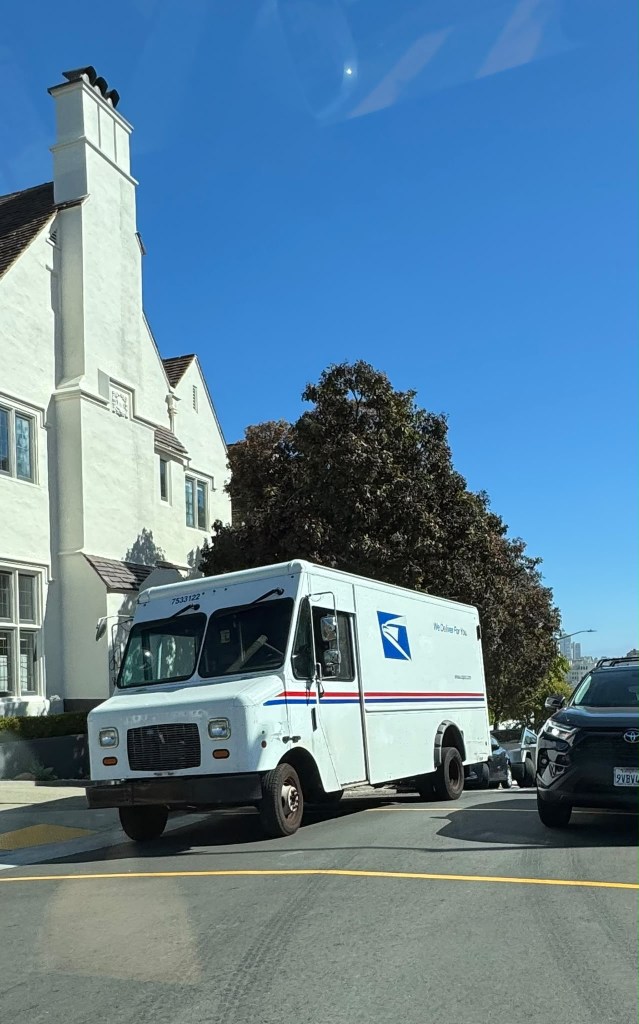
I seemed to encounter them everywhere.
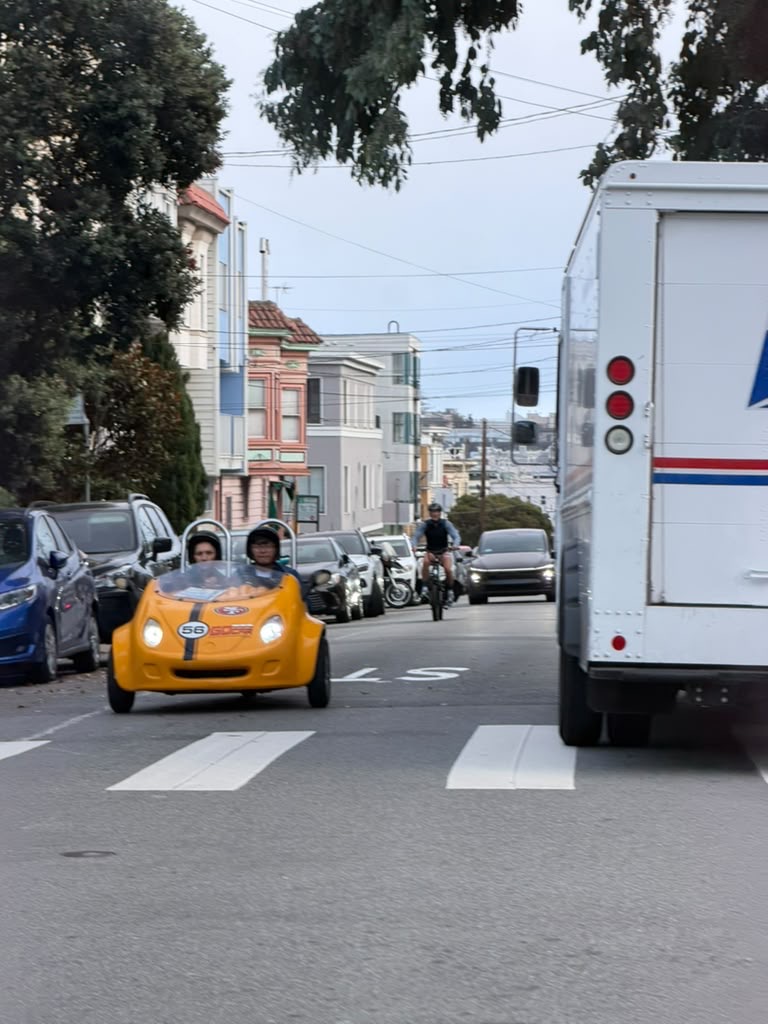
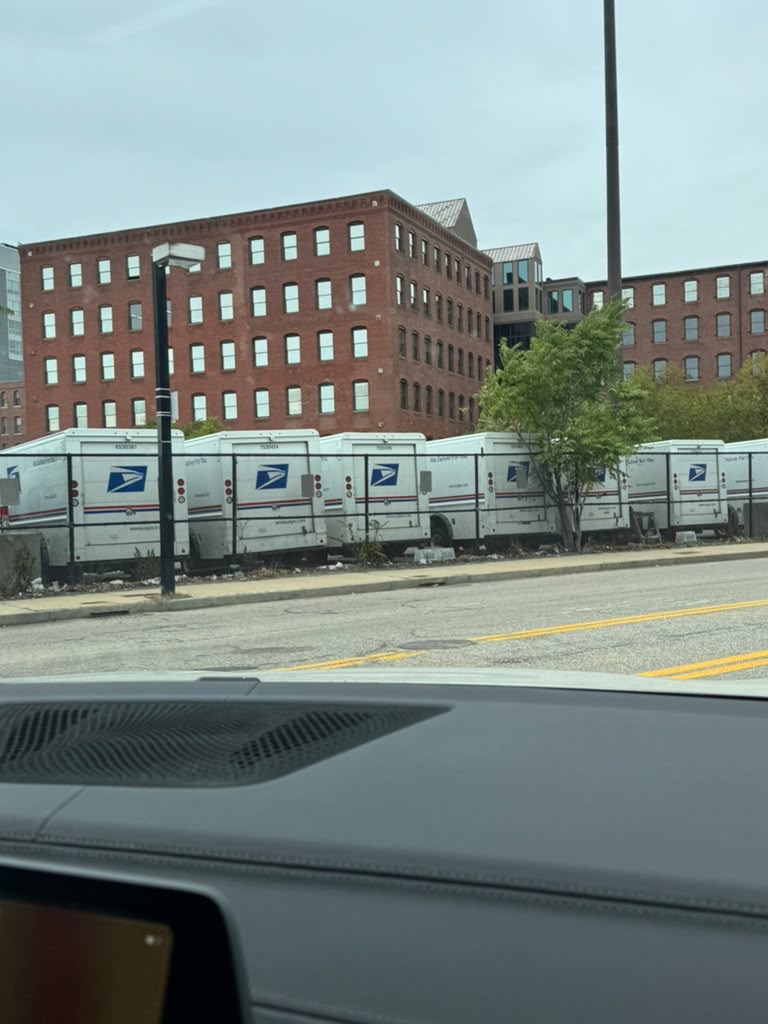
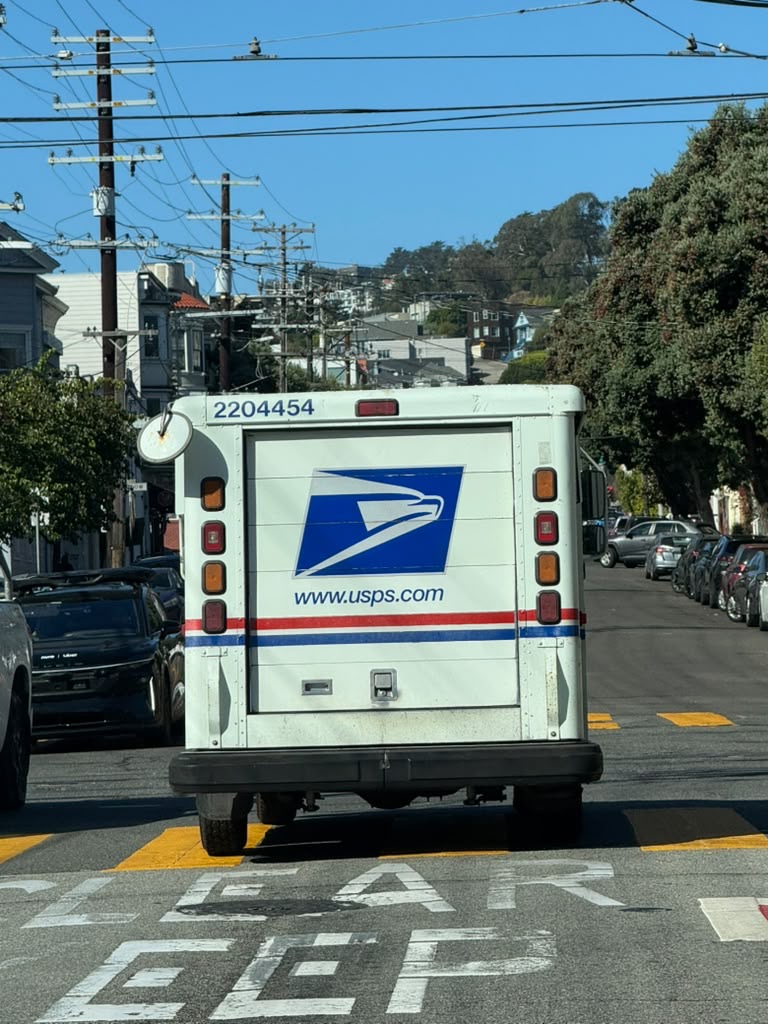
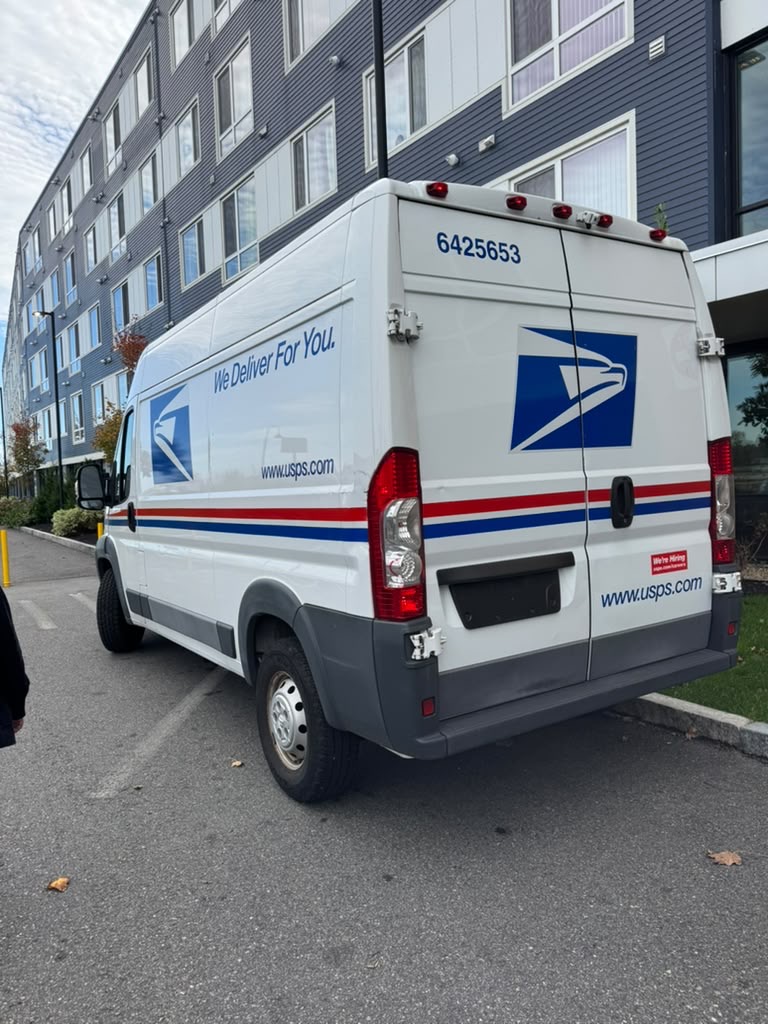
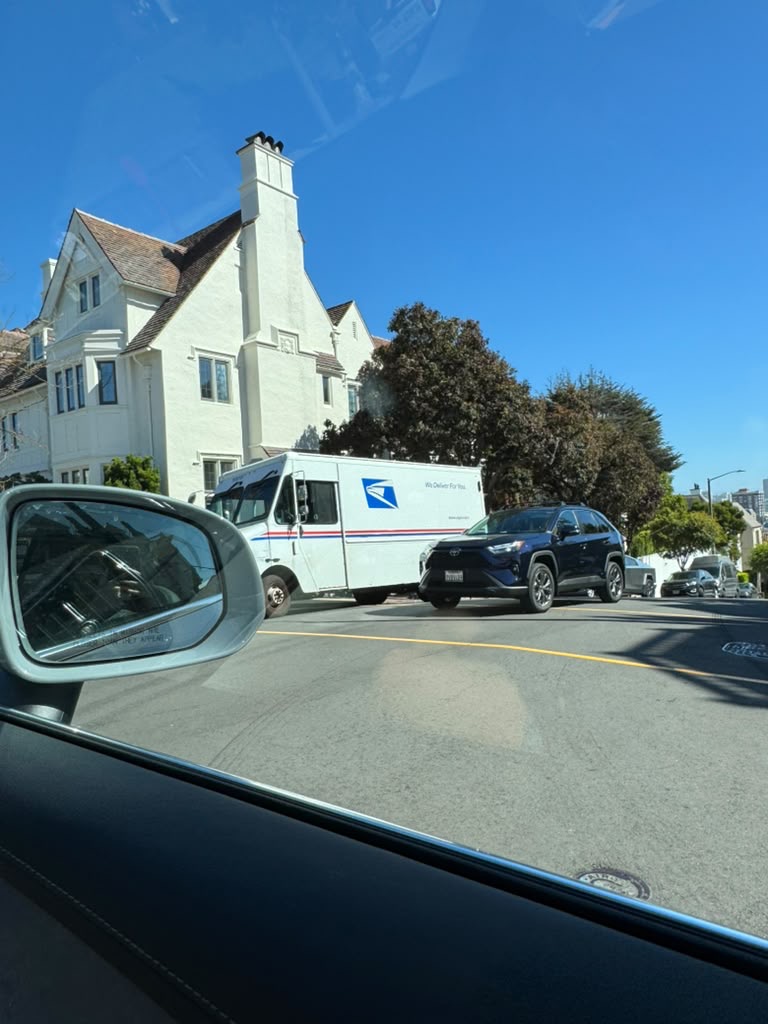
Sometimes parked outside apartment buildings, sometimes cruising along neighbourhood streets, and occasionally appearing in places where they seemed to have got themselves into trouble.
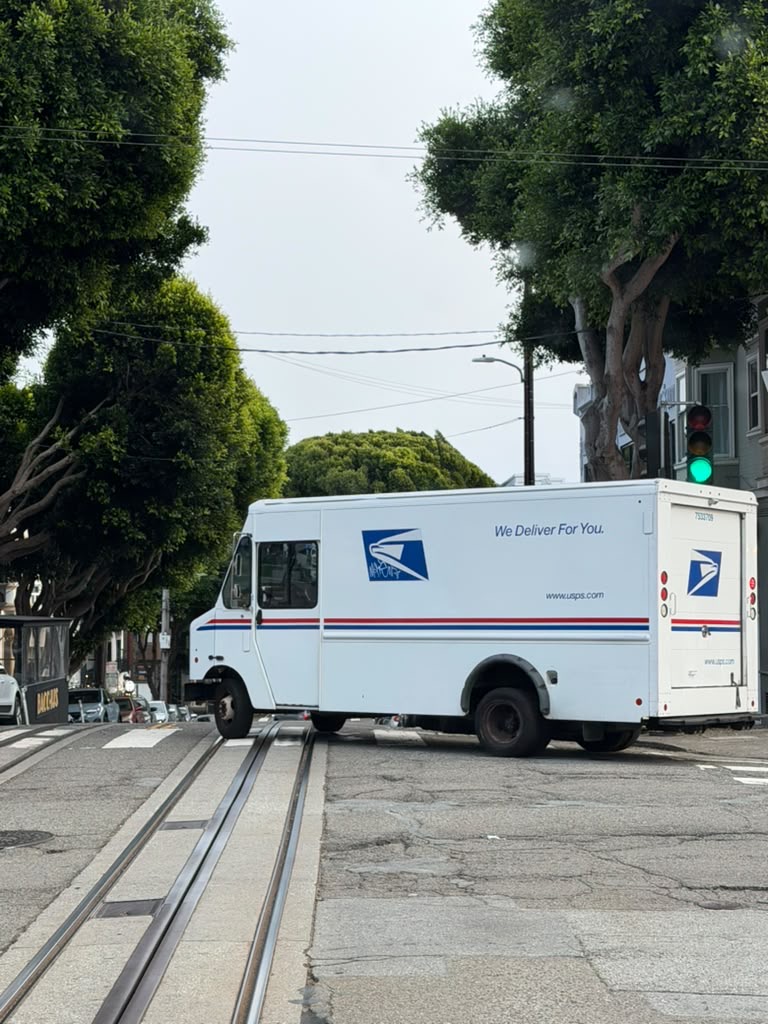
I even photographed one crossing tram tracks in San Francisco, looking rather oblivious to the fact that it was blocking the path of something considerably larger.
But it was the newer mail trucks that really caught my attention.
They have a rather peculiar shape.
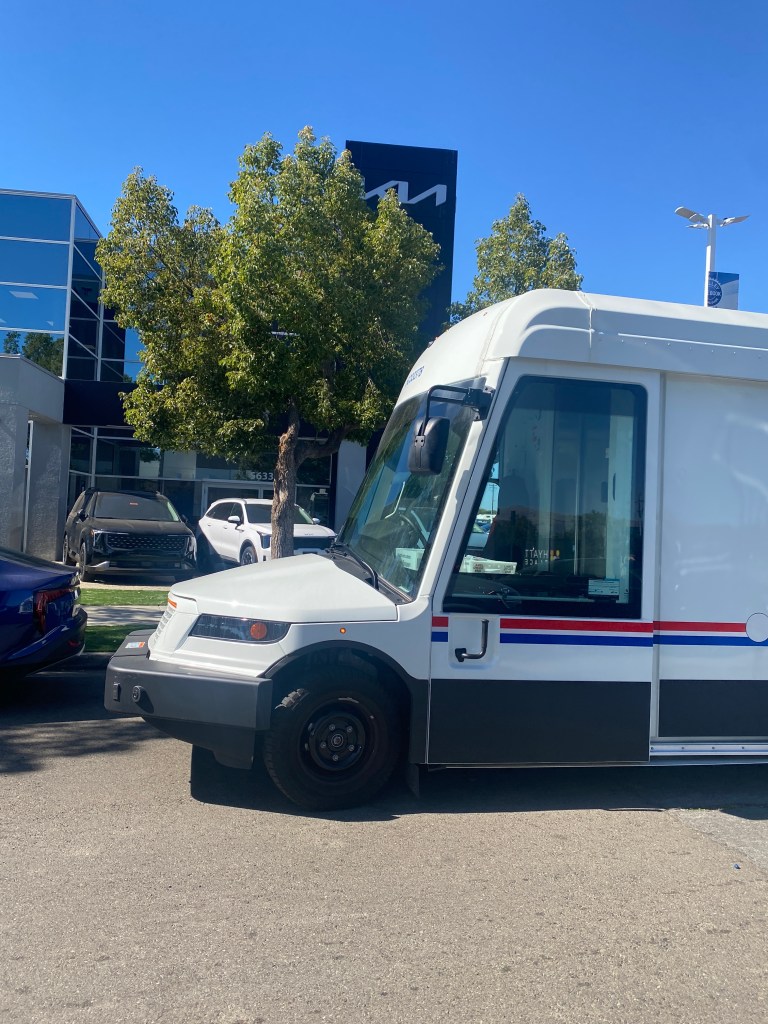
The front looks almost like a duck’s bill, while the body rises behind it like a very tall box.
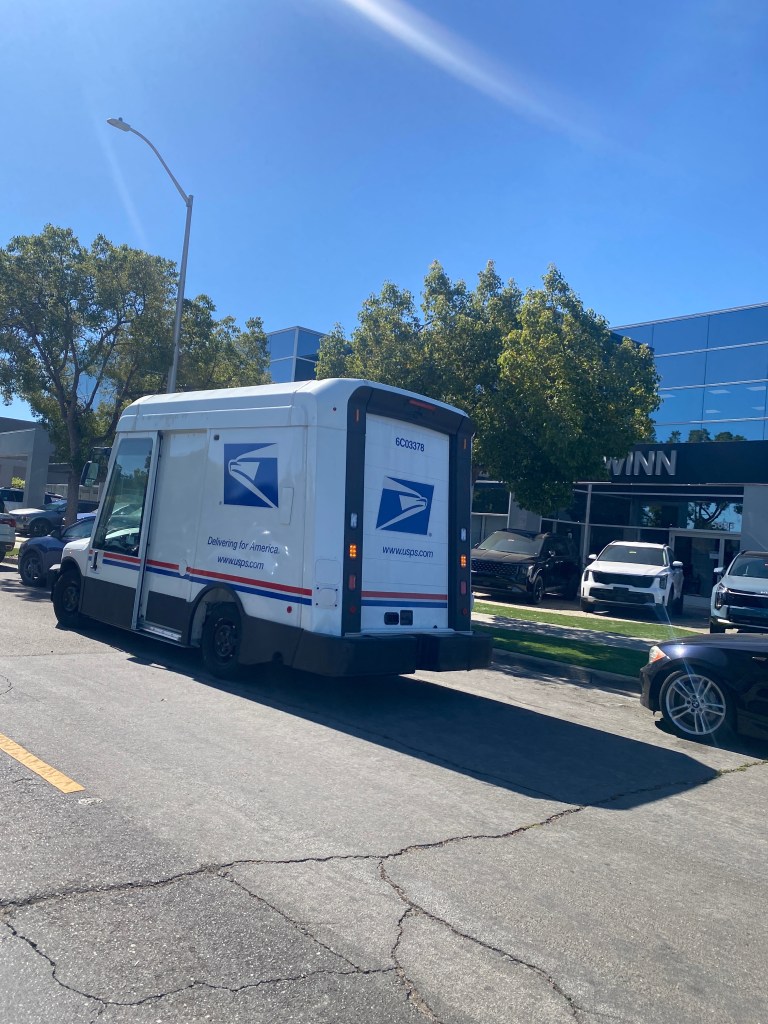
One could be forgiven for wondering whether the designer had been inspired by a duck that had swallowed a wardrobe.
There is, however, considerable method behind this apparent madness.
Unlike ordinary American cars, these trucks have the steering wheel on the right-hand side.
This is not because America has suddenly decided to drive like India or Britain.
It is because the mail carrier needs to reach roadside mailboxes efficiently.
Imagine delivering hundreds of letters along a route.
Stop, get out, walk to the mailbox, return, climb in, drive a few metres, and repeat.
By lunchtime, you might have delivered the mail… and developed a strong dislike for your knees.
With the driver seated on the right, the vehicle can pull alongside roadside mailboxes, allowing the carrier to deposit letters without leaving the seat.
The low front design helps the driver see what is immediately ahead, while the enormous windshield provides a much wider field of vision.
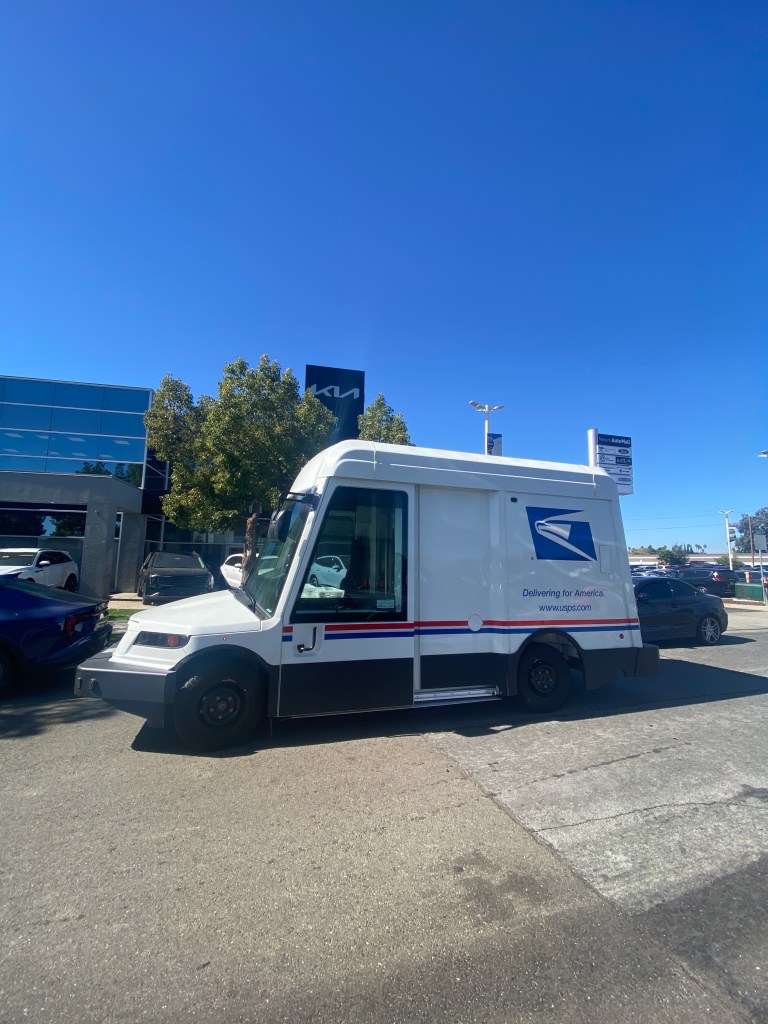
The tall body isn’t merely an architectural experiment either.
The Postal Service now delivers far more packages than it once did.
The new trucks have a much larger cargo area, a walk-in compartment and enough headroom for the carrier to move around without constantly bending like a folding chair.
And they have some rather welcome modern conveniences: air-conditioning, cameras, airbags, collision-warning systems and automatic braking.
Apparently, some postal workers were particularly delighted by the air-conditioning.
After years of working in older vehicles without it, the new trucks must have felt like a small piece of heaven on wheels.
Clearly, the designers weren’t trying to win a beauty contest.
They were trying to make the postman’s life easier.
And while I was admiring these modern postal workhorses, America occasionally reminded me that the old world of letters hadn’t disappeared entirely.
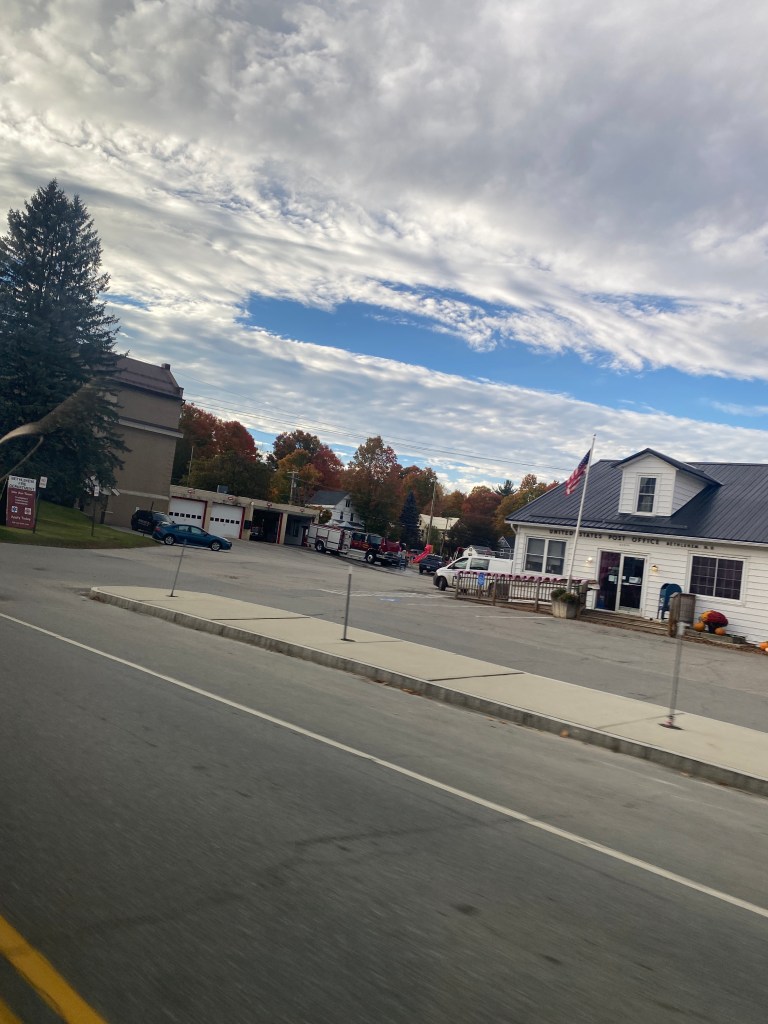
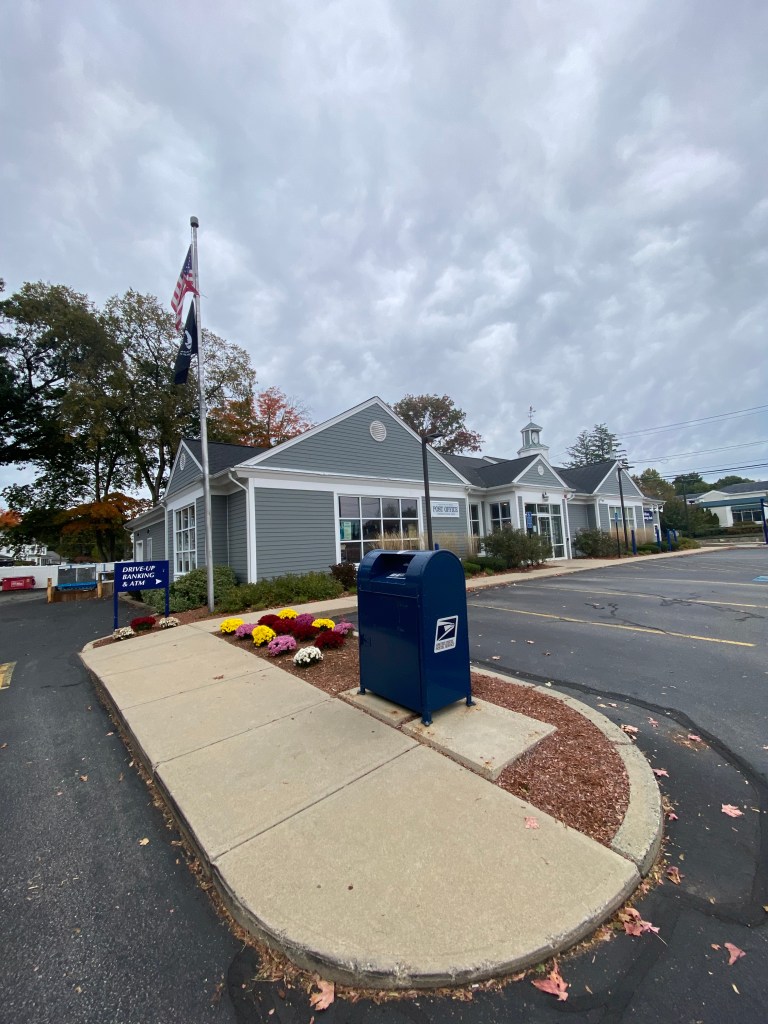
At Hyatt Place in New Jersey, I came across a charming old-fashioned postbox.
Later, during our visit to The Ahwahnee in Yosemite, I spotted another.
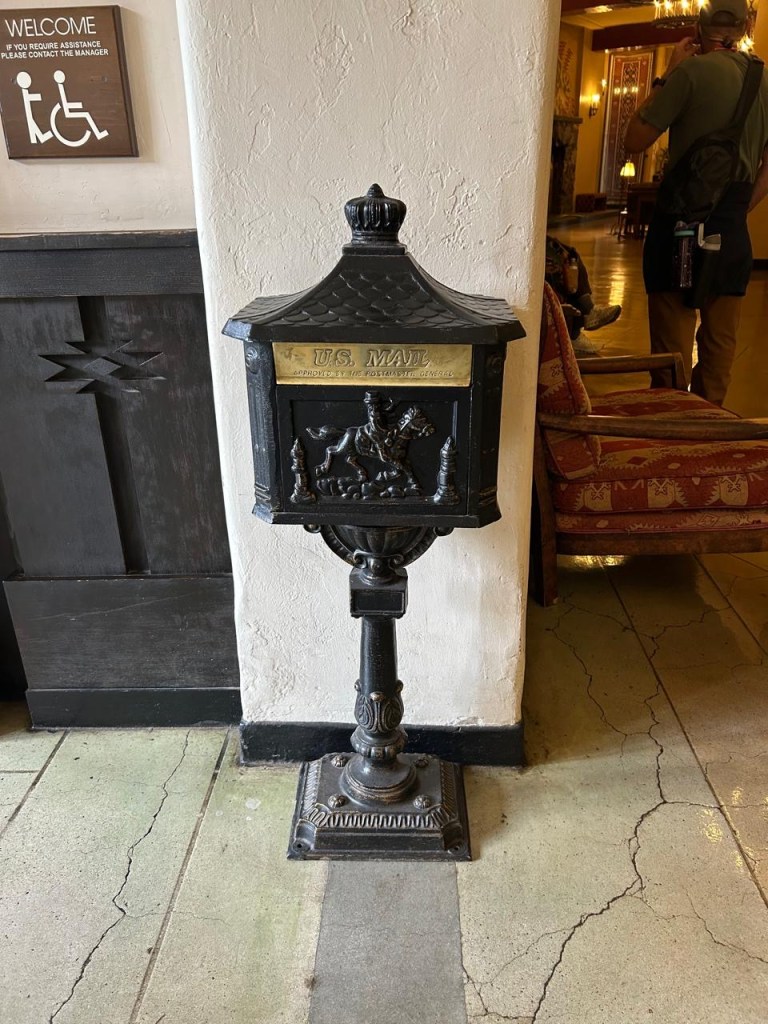
They looked as though they had survived generations of emails, text messages, WhatsApp notifications and people asking, “Did you get my message?”
At one place, I even came across a little encouragement to send a postcard to an old friend—or perhaps a message to your future self.
The sign called it snail mail.
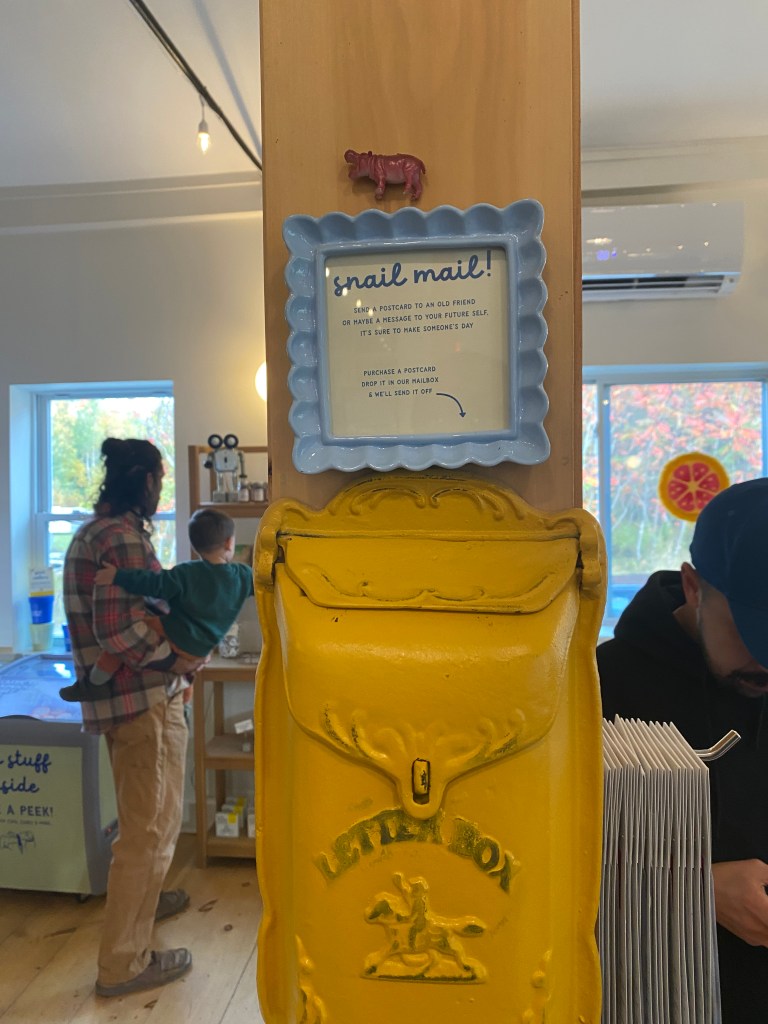
And I thought that was rather lovely.
In a world where messages travel faster than we can read them, there is something wonderfully slow about buying a postcard, writing a few lines, finding a mailbox and trusting that it will eventually reach someone.
The postal service has changed its trucks, modernised its technology and adapted to the age of online shopping.
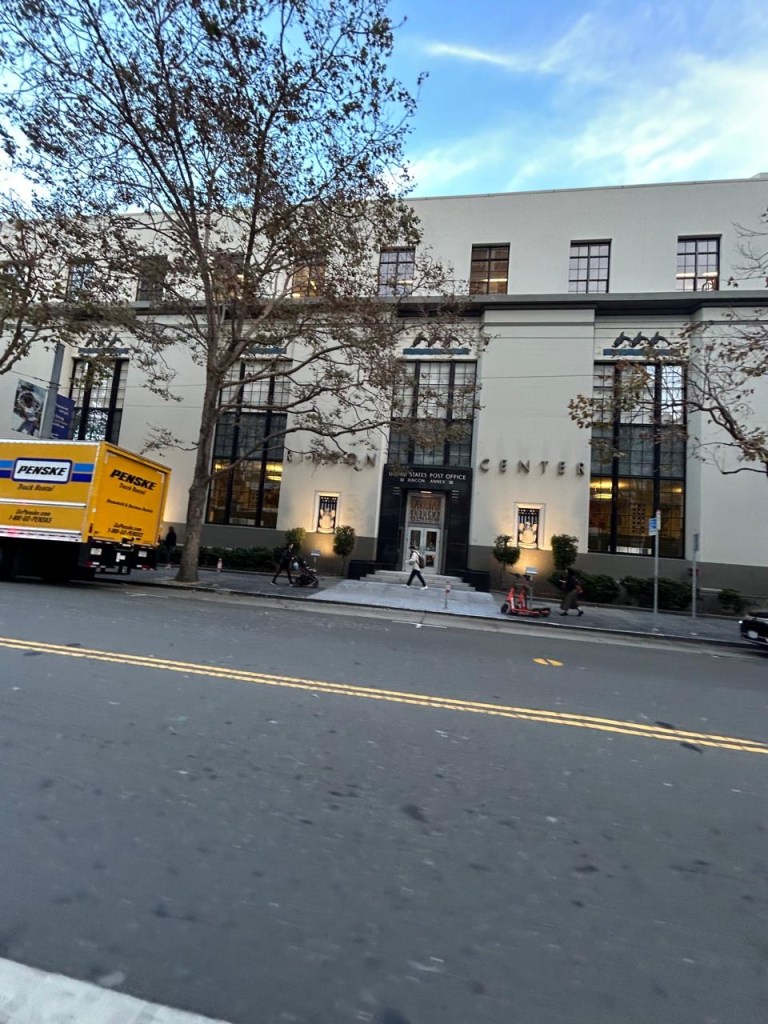
But somewhere, a handwritten letter is still waiting to be delivered.
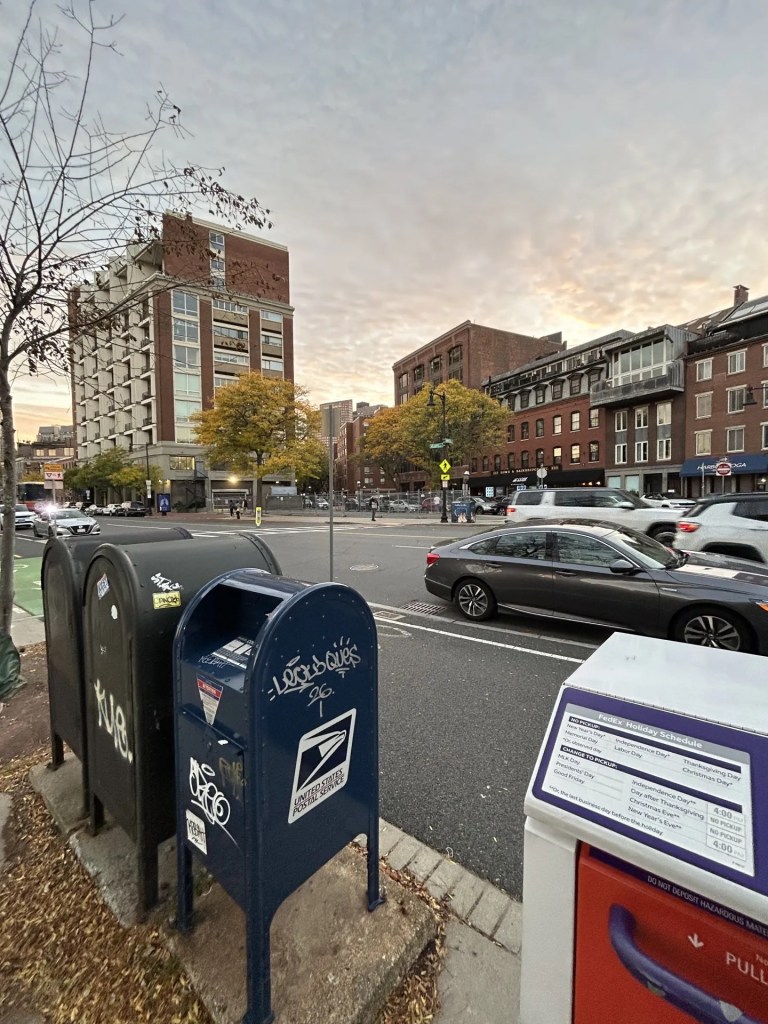
And somewhere nearby, a duck-shaped truck is probably getting ready to deliver it.



I enjoy how you exhalt and celebrate the mundane in life. So many people just pass all that by. I did a WP post about neighborhood garage doors, another about windows and window dressings, seeing the creativity in different designs. Art and beauty are everywhere.
LikeLiked by 1 person
Thank you! 😊 I think the world is full of little stories waiting to be noticed. We just need to slow down enough to see them. I love your observations about garage doors and windows too. Beauty and creativity really are everywhere!
LikeLiked by 1 person